Our Location
Free Trade Tower, Xiyong street.
Chongqing, China

Free Trade Tower, Xiyong street.
Chongqing, China
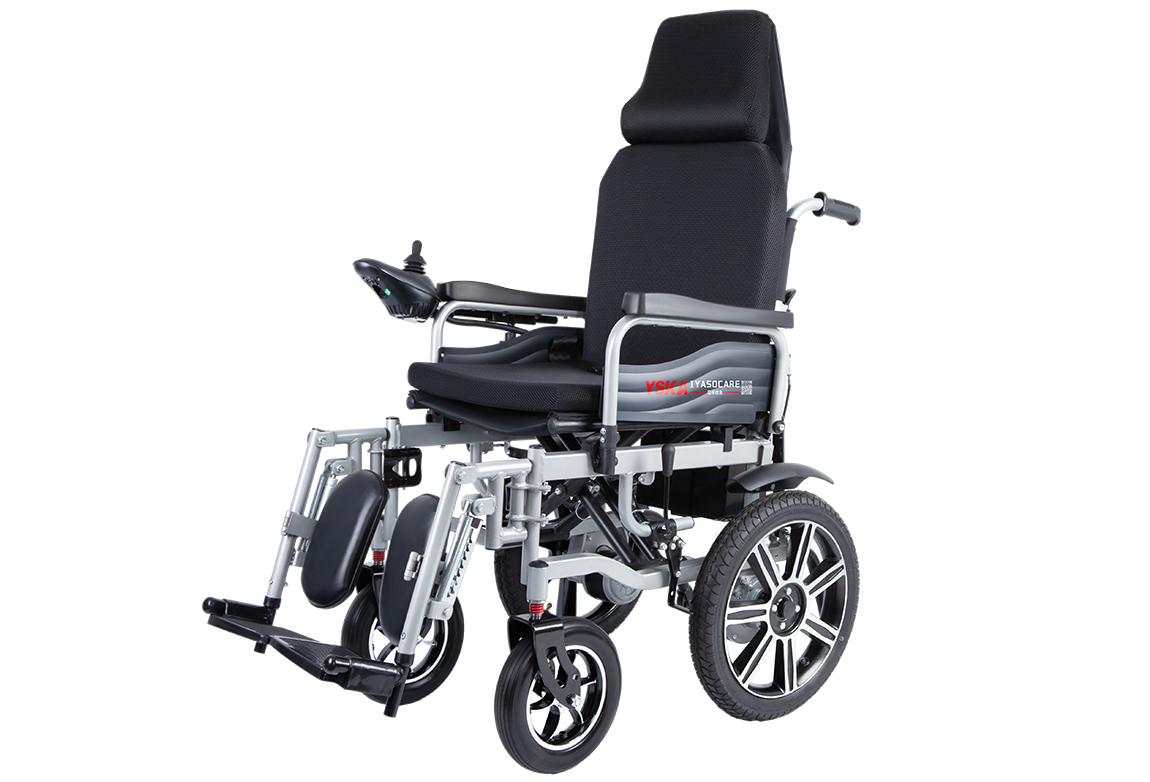
Electric wheelchairs are not only a means of transportation for people with limited mobility and the elderly, but also crucial assistive devices that enhance independence and improve quality of life. With the increasing variety of electric wheelchair types and features on the market, choosing the best model has become a key concern for many users and their families. This article will provide a comprehensive buying guide covering user experience, usage scenarios, features, comfort, and safety, helping you make an informed and practical decision.
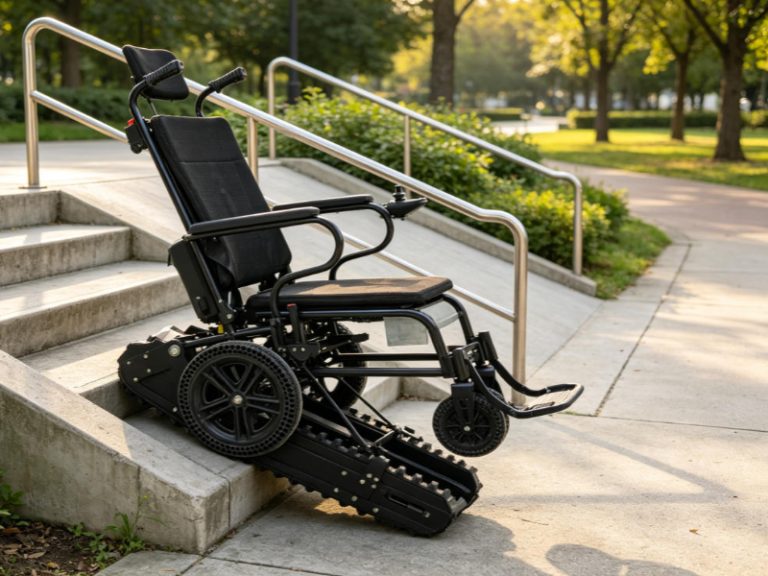
The first step in choosing an electric wheelchair is to understand your specific needs. Different living environments and travel methods require significantly different wheelchairs. Indoor users, such as those at home, in hospitals, or at shopping malls, require a lightweight wheelchair that turns flexibly and is easy to fold and carry. Frequent travelers or those who travel long distances should consider a wheelchair with long range, adequate power, and good shock absorption to handle complex terrain. Those living in multi-story buildings or with slopes may need a wheelchair with stair climbing or tracks for daily convenience. Clarifying your usage scenarios can effectively narrow your selection and avoid blindly pursuing unnecessary features. Choosing a Wheelchair Type
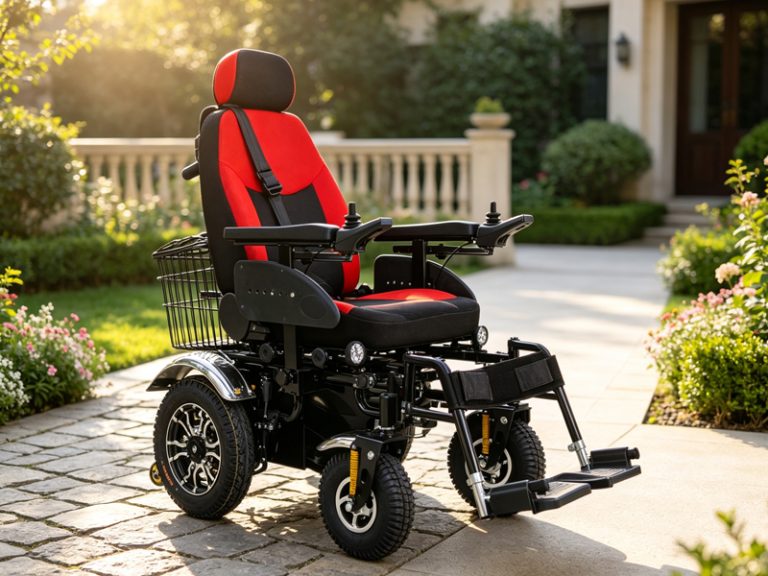
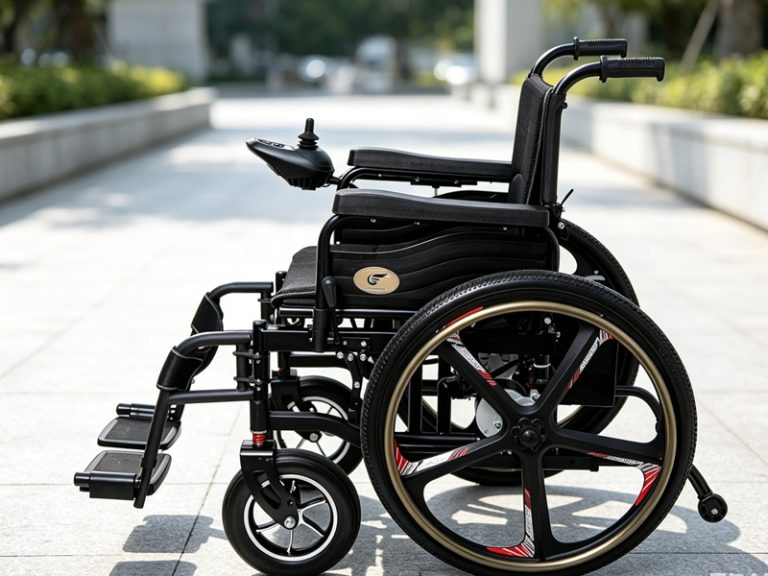
There are many different types of electric wheelchairs on the market, broadly categorized as lightweight folding, off-road multi-purpose, standing/recumbent, and stair-climbing. Lightweight folding wheelchairs are lightweight and easy to carry, suitable for indoor and short-distance use. Off-road multi-purpose wheelchairs are powerful and suitable for outdoor use on complex terrain. Standing/recumbent wheelchairs offer adjustable postures, improving circulation, and are suitable for long-term use or rehabilitation. Stair-climbing wheelchairs are suitable for multi-story residential buildings and are capable of climbing and descending stairs. Each type has its own characteristics and limitations. When choosing a wheelchair, you should consider your actual needs, budget, and living environment to ensure it is both safe and convenient for daily use.
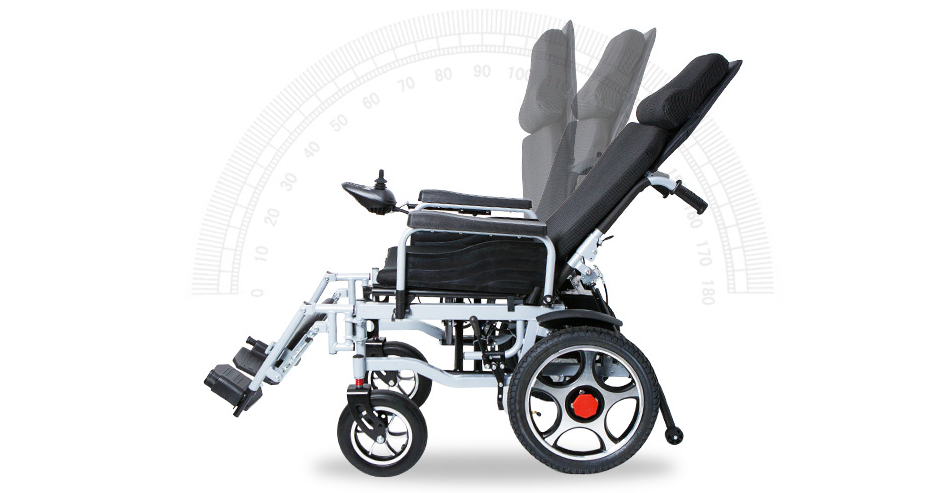
When choosing an electric wheelchair, several key parameters directly impact the user experience. Range determines the distance you can travel on a single trip. For indoor use, approximately 15 kilometers is generally sufficient, while models with a range of 40 kilometers or more are recommended for frequent outings or outdoor use. Seat size, backrest height, and weight capacity contribute to comfort and safety. The seat should be ergonomically designed to reduce back strain during prolonged use. Tire material and shock absorption system affect ride smoothness. Pneumatic tires combined with independent shock absorption systems can effectively mitigate bumps, especially when driving outdoors. Motor power and maximum speed determine a wheelchair’s gradeability and stability. The appropriate power configuration should be selected based on the intended use scenario.
Comfort is a core element of the electric wheelchair experience. Seat thickness, armrest height, backrest angle, and adjustable leg rest all contribute to comfort during extended use. Whether the footrests are removable or the leg rest is adjustable directly impacts ease of entry and exit. Some high-end wheelchairs offer heating, ventilation, or massage functions to further enhance the user experience. Comfort and ergonomic design directly impact quality of life, especially for long-term users.
The control method of an electric wheelchair is crucial to the user experience. A steering wheel (joystick) is the most common control method. Its sensitive operation and fast response improve safety in confined spaces or on complex terrain. Some smart wheelchairs offer Bluetooth remote control or voice control, providing additional convenience for users with limited mobility. Regarding portability, the wheelchair’s material and folding design are particularly important. Aluminum alloy is lightweight and durable, making it suitable for folding wheelchairs; steel is strong but heavy; carbon fiber is lightweight and strong, but also more expensive. For those who frequently travel, take public transportation, or need to store their wheelchair in their car, lightweight and foldable designs are essential considerations.
The safety of an electric wheelchair is directly related to the user’s travel safety. Braking systems, electromagnetic brakes, and hill-hold functions ensure the wheelchair’s stability and prevent it from sliding on slopes or in emergencies. Anti-tilt devices, night-time reflective markings, or LED lighting enhance safety when used outdoors. Some high-end models offer additional features such as adjustable headrests, seat belts, and knee pads to further ensure user safety. When choosing a wheelchair, it’s recommended to prioritize basic safety features and then consider additional features based on your needs to avoid unnecessary price increases caused by excessive features.
Buying an electric wheelchair is not just about purchasing the product; it’s also about purchasing after-sales service. Choosing a brand with a good reputation and strong market credibility ensures reliable wheelchair quality and a sufficient supply of spare parts. After-sales service includes warranty coverage, repair support, and replacement of wearing parts. The availability of vulnerable parts like batteries, motors, and tires directly impacts long-term usability. High-quality brands often offer remote technical support or on-site repair services, promptly resolving any issues encountered and minimizing inconvenience and frustration.
Electric wheelchair prices range widely, from a few thousand yuan to tens of thousands of yuan. Budget-conscious users should focus on core features like range, comfort, and safety, avoiding the added burden of additional features. Long-term users are advised to invest in high-quality, durable wheelchairs with comprehensive after-sales service to reduce maintenance costs and extend their lifespan. Before purchasing, consider performance, comfort, safety, and price to ensure your chosen wheelchair delivers the best value in your daily life.
Before making a final purchase, it’s crucial to personally test-drive and sit in a wheelchair. A test ride allows you to experience the comfort of the seat, backrest, and leg rest to ensure prolonged use will not cause discomfort. A test drive allows you to test the steering control, brake response, and maneuverability on slopes and in narrow passages. If the wheelchair is foldable or requires transport, you should personally perform the folding, transporting, and loading process to ensure it meets your daily needs. Hands-on experience can complement any inaccuracies in the spec sheet, providing a more comprehensive understanding of product performance and enabling a more informed purchasing decision.
Purchasing an electric wheelchair is more than just a means of transportation; it’s an investment in your independence and travel safety. By identifying your usage scenarios, selecting the right model, focusing on key specifications, testing comfort and handling, and ensuring safety and brand after-sales service, you’ll more easily find the model that’s right for you. Remember, an electric wheelchair is an important tool for improving your quality of life and independence. Patient selection and thorough experience will make every trip easier, safer, and more comfortable. The right model for you