Our Location
Free Trade Tower, Xiyong street.
Chongqing, China

Free Trade Tower, Xiyong street.
Chongqing, China
As mobility aids, wheelchairs play a vital role in the lives of the elderly, those with limited mobility, and those recovering from illness. Many people considering purchasing a wheelchair or selecting a wheelchair for their family often struggle with the choice between traditional manual and electric wheelchairs. What are the differences between electric and manual wheelchairs? What are the advantages of each?
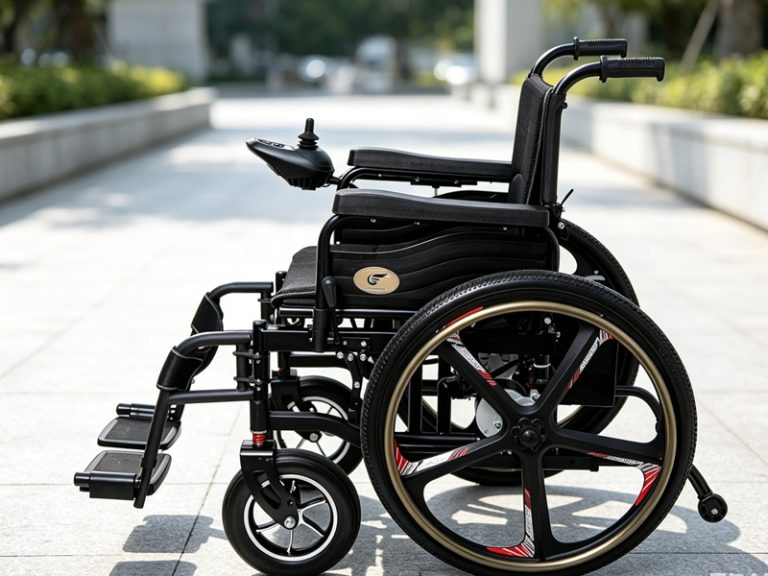
Manual wheelchairs are primarily propelled by the user’s arms pushing the wheel rims, or by a caregiver pushing from behind. This requires a high level of upper limb strength, and prolonged use can lead to arm pain or shoulder strain. If the user’s physical strength is limited, they often require assistance from family members, which can limit their independence.
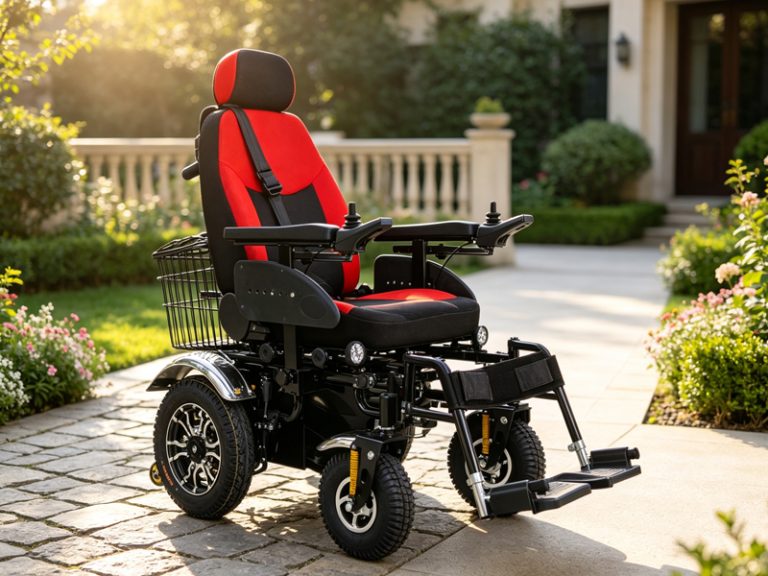
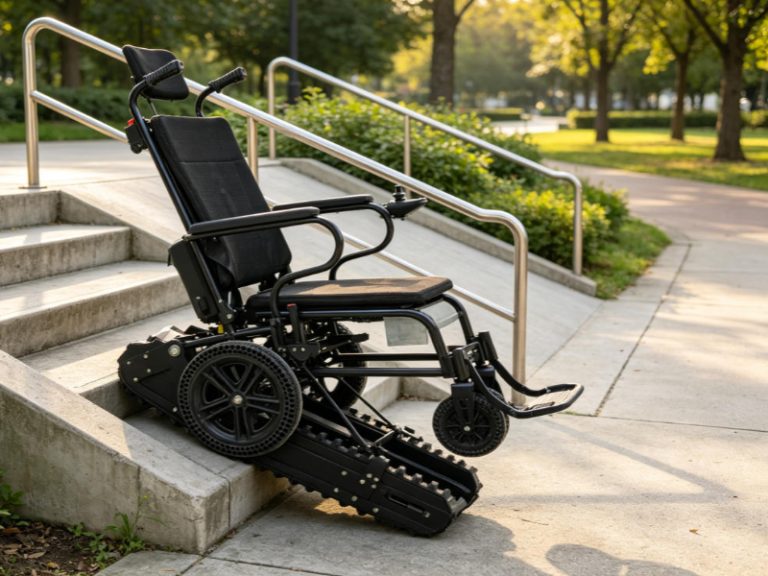
Electric wheelchairs, on the other hand, are equipped with a motor and battery and controlled via a joystick or controller, requiring virtually no physical effort. The user can operate them independently, freely navigating indoors and outdoors, even on slopes and over long distances. Electric wheelchairs clearly offer advantages for those seeking independence and reduced dependence.
Comfort is a key criterion for evaluating wheelchair quality. Manual wheelchairs, due to their simpler design, have limited shock absorption systems and basic seats. Long periods of use can easily lead to back fatigue, especially on uneven surfaces outdoors.
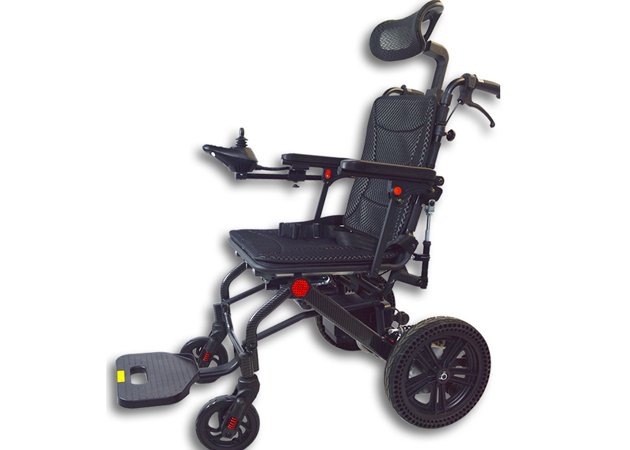
In contrast, electric wheelchairs often feature more ergonomic seat designs. Some models are equipped with shock absorption systems, adjustable backrests and footrests, and even heating or ventilation. Long rides not only reduce fatigue but also effectively reduce pressure on the spine and joints. For those who frequently travel and require all-day use, electric wheelchairs offer superior comfort.
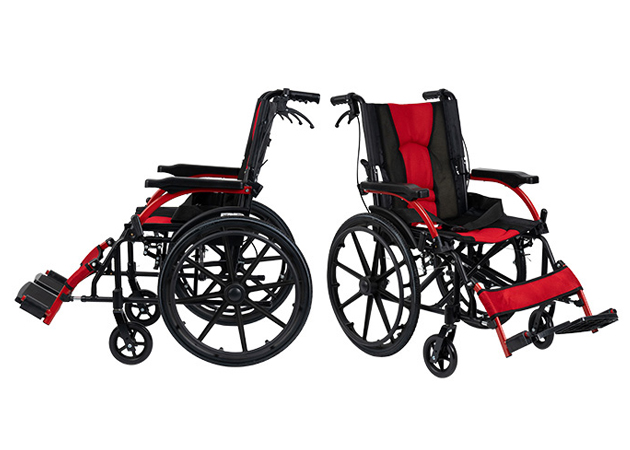
Manual wheelchairs are more suitable for short distances, such as in relatively enclosed spaces like hospitals, homes, and nursing homes. Because they require manual propulsion, long-distance travel is impractical.
Electric wheelchairs, on the other hand, can meet more complex travel needs. They offer a long range, capable of traveling tens or even dozens of kilometers on a single charge. Whether visiting the park, shopping mall, or simply taking a short trip, they offer a wider range of mobility. In particular, the folding design of modern electric wheelchairs allows them to fit in car trunks and be checked on airplanes, providing users with a wider range of mobility. Safety Performance
Safety is a primary concern for users and their families. Manual wheelchairs have a simple structure, and their braking systems rely primarily on mechanical locking, making them prone to slipping on steep slopes. Caregivers’ negligence can significantly reduce the user experience.
Electric wheelchairs are typically equipped with electromagnetic brakes, which automatically brake when the controller is released, providing greater stability on slopes and complex terrain. Some high-end electric wheelchairs also feature anti-tilt devices and automatic parking on hills, significantly enhancing safety during use.
Manual wheelchairs offer a clear price advantage, costing from a few hundred to a few thousand yuan, and have low maintenance costs. They are suitable for families with limited budgets and infrequent use.
Electric wheelchairs are generally more expensive, ranging from a few thousand to tens of thousands of yuan, depending on the material, motor performance, and intelligent features. Furthermore, the battery requires regular replacement, and the motor and controller require maintenance. Despite the significant investment, electric wheelchairs offer a high cost-effectiveness for those who rely on wheelchairs for long-term mobility, significantly improving their quality of life. User Groups
Manual wheelchairs are suitable for those with sufficient upper limb strength who require occasional, short-term use. They are also suitable for rehabilitation training or situations where a caregiver is needed to push them.
Electric wheelchairs are suitable for those with limited physical strength who desire independent mobility; elderly or disabled individuals who need to ride for extended periods; and those who frequently travel and seek comfort.
Manual wheelchairs are affordable and simple, making them suitable for short-distance, infrequent use. Electric wheelchairs, on the other hand, offer comfort, effort reduction, freedom, and safety, making them more suitable for those who rely on their vehicle for long-term mobility. From a user experience perspective, electric wheelchairs are undoubtedly the superior choice for those seeking to improve their quality of life and increase their independence.
Question 1: Can electric wheelchairs be carried on airplanes?
Answer: Most electric wheelchairs can be carried on airplanes, but they must use lithium batteries that meet aviation standards and be declared to the airline in advance. Some models can be folded and stored for easy check-in. It’s best to check with the airline for specific requirements before traveling.
Question 2: How long does an electric wheelchair typically last?
Answer: The range depends on the battery capacity and road conditions. Common electric wheelchairs have a range of 15-30 kilometers, while high-end models can reach over 50 kilometers. This is more than sufficient for daily urban travel. Users can choose the appropriate battery capacity based on their travel needs.
Question 3: If your budget is limited, should you buy an electric or manual wheelchair?
Answer: For temporary use or occasional outings, a manual wheelchair is economical and sufficient. However, if you rely on a wheelchair long-term and desire a high degree of independence, an electric wheelchair is recommended. While the initial investment is higher, it can significantly improve your quality of life and reduce the burden on your family members.