Our Location
Free Trade Tower, Xiyong street.
Chongqing, China

Free Trade Tower, Xiyong street.
Chongqing, China
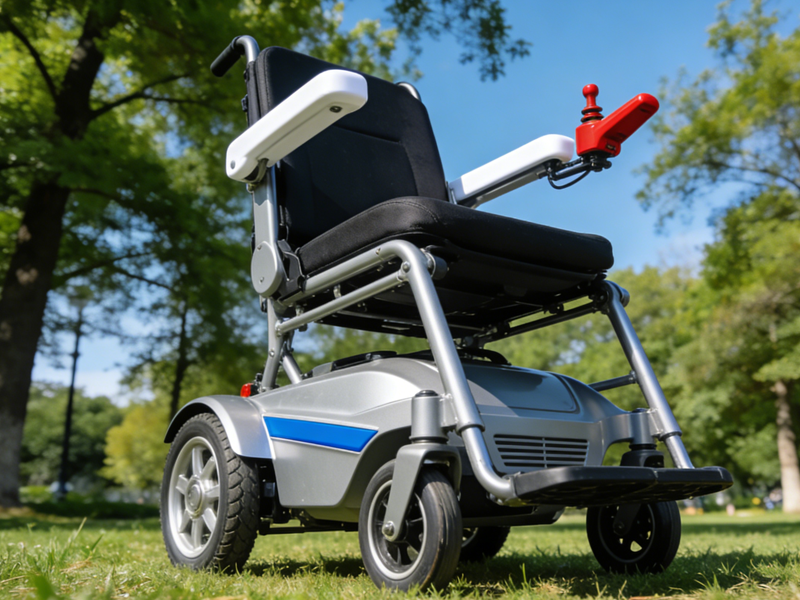
When it comes to mobility solutions, both electric wheelchairs and power wheelchairs provide life-changing benefits, offering users greater independence and freedom of movement. However, many people use the terms “electric wheelchair” and “power wheelchair” interchangeably, which can lead to confusion. While these two devices share some similarities, they have distinct differences that make them better suited for specific needs. This article aims to clarify those differences, helping you make an informed decision about which mobility aid is best for you or your loved ones.
What is an Electric Wheelchair?
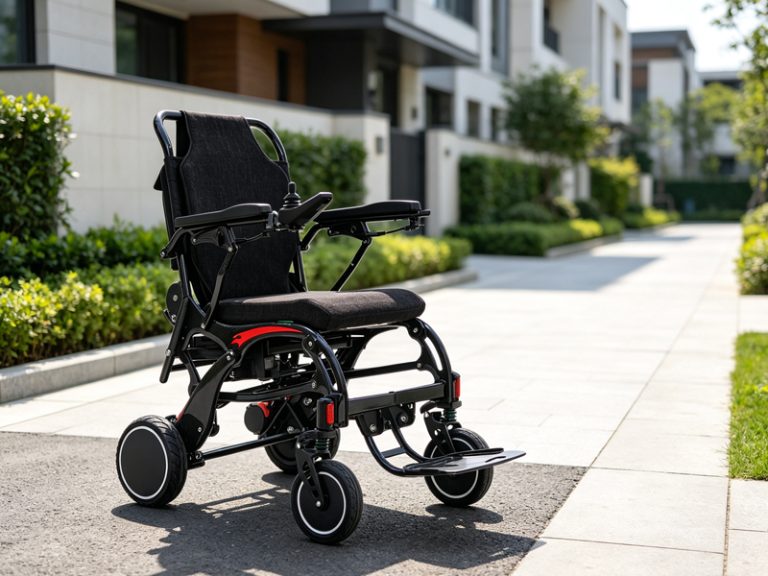
An electric wheelchair is essentially a manual wheelchair that comes equipped with a battery-powered motor. This allows users to move around with the push of a button or joystick, rather than relying on manual strength. Typically, electric wheelchairs are designed for indoor use, offering a compact and lightweight structure that makes them easy to maneuver in smaller, confined spaces.
Unlike traditional manual wheelchairs, electric wheelchairs use motorized systems to propel the chair forward, eliminating the need for users to push the wheels. The controls are usually simple and intuitive, making it easy for users to operate them without requiring advanced knowledge or training.
Key Features of Electric Wheelchairs:
Compact and Lightweight: These chairs are typically more lightweight and easier to fold or store, making them perfect for indoor settings such as homes, offices, and shopping centers.
Basic Control Systems: Electric wheelchairs usually feature simple joystick or handlebar controls, providing basic but efficient movement.
Designed for Indoor Use: They are best suited for flat, even surfaces, such as floors inside buildings. They may struggle to handle uneven or rough terrains outside.
Advantages of Electric Wheelchairs:
Affordability: Electric wheelchairs tend to be more budget-friendly compared to their power wheelchair counterparts, making them an accessible choice for many.
Portability: Thanks to their lightweight and compact nature, electric wheelchairs are easy to transport in vehicles or on public transit.
Ease of Use: With simple controls, these chairs are easy to operate, ideal for individuals who may not need all the features of more advanced mobility devices.
Indoors Convenience: They are perfect for navigating inside homes or small spaces due to their agility and ease of use.
Disadvantages of Electric Wheelchairs:
Limited Outdoor Use: Electric wheelchairs are not designed to handle rugged terrain or long-distance travel, making them less effective for outdoor environments like parks or uneven sidewalks.
Shorter Battery Life: Their smaller battery capacity often requires more frequent recharging, limiting long-term use without access to a charging station.
Basic Features: Electric wheelchairs lack many advanced features found in power wheelchairs, such as customizable controls, suspension systems, and extra comfort features.
What is a Power Wheelchair?
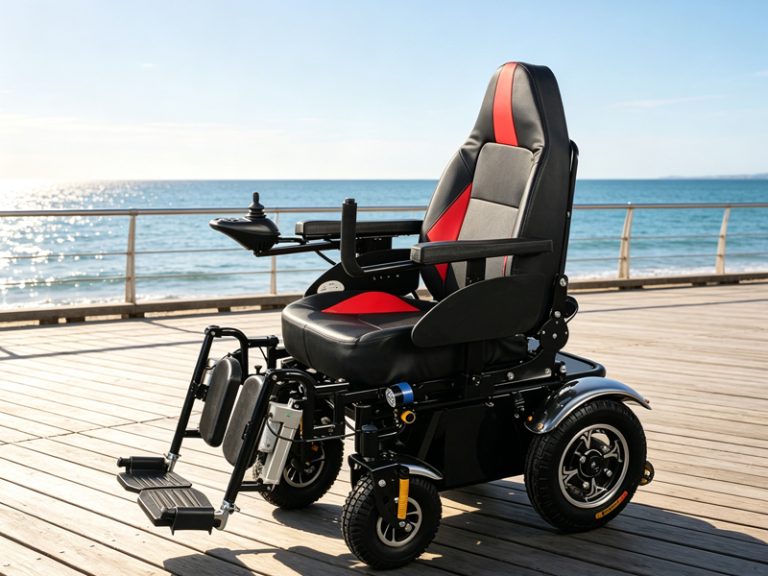
On the other hand, a power wheelchair is a more robust and versatile mobility solution designed for a wider range of environments, both indoors and outdoors. Power wheelchairs typically feature a durable, heavy-duty frame that can support more weight and withstand a variety of surfaces, including grass, gravel, and even uneven outdoor terrains. These wheelchairs come with advanced features such as customizable control systems, additional seating comfort, and better suspension to enhance the user experience.
With a power wheelchair, the user can expect a more personalized mobility solution tailored to their specific needs. For instance, power wheelchairs often have programmable joysticks, and in some cases, head controls for individuals with limited hand or arm mobility. They are designed for long-term use, capable of traveling on a variety of surfaces without sacrificing comfort or stability.
Key Features of Power Wheelchairs:
Heavy-Duty Frame: A power wheelchair’s robust design allows it to support more weight, making it suitable for a wider range of users, including those who need extra support.
Customizable Controls: Many power wheelchairs offer programmable joysticks, head control, or even sip-and-puff mechanisms to help individuals with limited physical abilities.
All-Terrain Mobility: Power wheelchairs are built to handle both smooth and rugged terrains, giving users more freedom to navigate outdoor environments.
Advantages of Power Wheelchairs:
Versatility: These wheelchairs are ideal for both indoor and outdoor environments, making them suitable for people who require mobility across different terrains.
Longer Battery Life: With larger batteries, power wheelchairs can last for longer durations, making them more suitable for full-day trips and longer distances.
Enhanced Features: They come equipped with advanced suspension systems, ergonomic seating, and customizable controls to ensure maximum comfort.
Heavy-Duty Construction: For individuals with specific weight or durability needs, power wheelchairs are a reliable option that can handle more weight and provide better support.
Disadvantages of Power Wheelchairs:
Higher Cost: Power wheelchairs generally cost more than electric wheelchairs due to their advanced features and higher durability.
Heavier Build: These chairs are usually heavier and bulkier, which may require a special vehicle or equipment to transport them effectively.
Learning Curve: With all the advanced features, it might take some time for users to become familiar with their chair and optimize its use.
Key Differences: Electric Wheelchair vs. Power Wheelchair
Understanding the key differences between these two types of wheelchairs can make all the difference when choosing the right device.
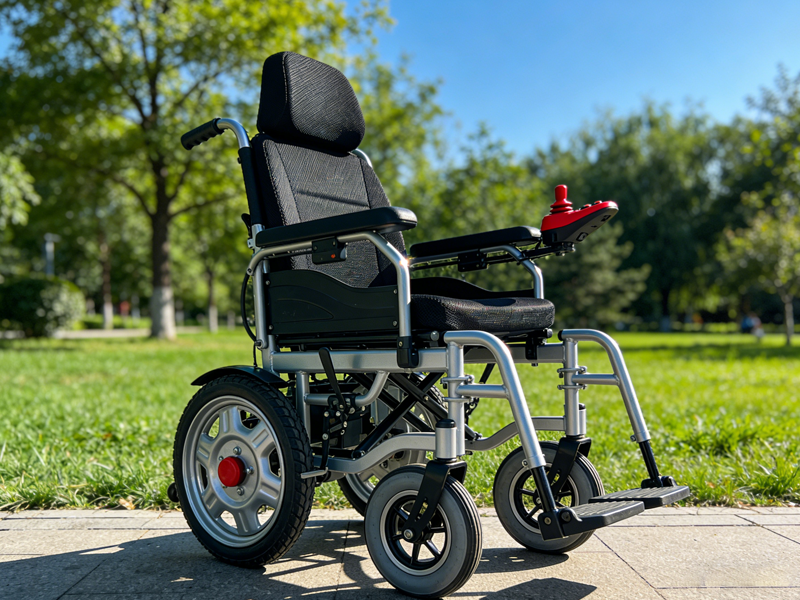
Control Systems: Electric wheelchairs typically come with basic joystick controls, while power wheelchairs offer more advanced, programmable options. For those who require specific control methods—such as head or sip-and-puff controls—a power wheelchair is the better option.
Portability: Electric wheelchairs excel in portability due to their lightweight design, making them easier to fold and store. Power wheelchairs, on the other hand, tend to be heavier and bulkier, making transportation more difficult without appropriate accommodations.
Outdoor Usability: Electric wheelchairs are mainly designed for indoor use and are not well-suited for outdoor or uneven terrain. Power wheelchairs, however, are engineered to handle all types of terrain, providing more flexibility and freedom in outdoor environments.
Battery Life: The battery life of power wheelchairs tends to be longer due to their larger battery size, while electric wheelchairs generally require more frequent recharging. If you plan on using the wheelchair for long periods or over long distances, a power wheelchair might be a better fit.
Which Wheelchair Should You Choose?
Choosing the right mobility solution depends on a variety of factors, including your lifestyle, physical needs, and budget. Here’s a quick guide to help:
Choose an Electric Wheelchair If:
You primarily need a wheelchair for indoor use.
You are on a budget and looking for a cost-effective solution.
Portability and lightweight design are your top priorities.
You don’t require advanced features and are looking for simplicity.
Choose a Power Wheelchair If:
You need a wheelchair that can handle both indoor and outdoor terrains.
Comfort, customization, and advanced features are important to you.
You require a chair with better durability and long-term use capabilities.
You have specific needs that require programmable or adaptive control systems.
Common Questions and Answers
Can I use an electric wheelchair outdoors?
Electric wheelchairs are primarily designed for indoor use and may struggle with uneven surfaces or outdoor terrains. While they can handle smooth sidewalks or short outdoor trips, they are not suitable for rough, uneven ground.
Are power wheelchairs suitable for long-distance travel?
Yes, power wheelchairs are designed to handle long-distance travel due to their larger battery capacity and more robust construction. They can be used for full-day trips, making them ideal for individuals who need extended mobility.
How do I transport a power wheelchair?
Transporting a power wheelchair can be challenging due to its heavier build. You may need a vehicle with a lift or ramp, or you can use a special transportation carrier designed for heavy-duty wheelchairs. Always check with the manufacturer for specific transportation guidelines.