Our Location
Free Trade Tower, Xiyong street.
Chongqing, China

Free Trade Tower, Xiyong street.
Chongqing, China
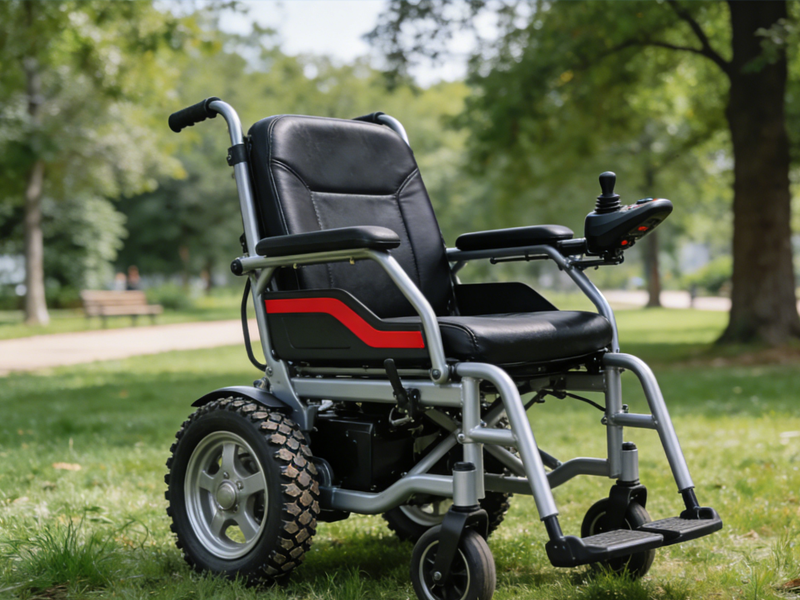
Traveling with a mobility aid, especially an electric wheelchair, has become more accessible in recent years, but it still requires careful planning. Whether you are a senior, an individual with a disability, or a family member traveling with someone who uses a mobility aid, navigating air travel with an electric wheelchair demands awareness of regulations, potential costs, and proper preparation. In this guide, we’ll explore everything you need to know about flying with an electric wheelchair, helping you prepare for a stress-free and smooth travel experience.
Before booking your flight, it’s essential to understand the laws and regulations that protect your rights as a passenger with a mobility aid. In the United States, the Department of Transportation (DOT) and the Air Carrier Access Act (ACAA) play pivotal roles in ensuring that airlines accommodate individuals with disabilities, including those who use electric wheelchairs.
Under the ACAA, airlines operating in the U.S., including international carriers, are required to provide assistance to passengers with disabilities at no additional cost. This includes transporting mobility aids, such as electric wheelchairs, free of charge as checked luggage. Airlines must also offer seating arrangements that are accessible to individuals with disabilities, as well as flexible baggage allowances to accommodate mobility aids.
While the ACAA guarantees your right to travel with an electric wheelchair, airlines may have specific requirements or policies, such as advance notice for special handling or restrictions based on battery types. Understanding these policies is key to ensuring your wheelchair will be transported safely and without issue.
The type of electric wheelchair you use will significantly impact your experience when flying. It’s crucial to know the size and specifications of your wheelchair, as well as the type of battery it uses, as some factors may incur additional costs.
1. Motorized Wheelchairs
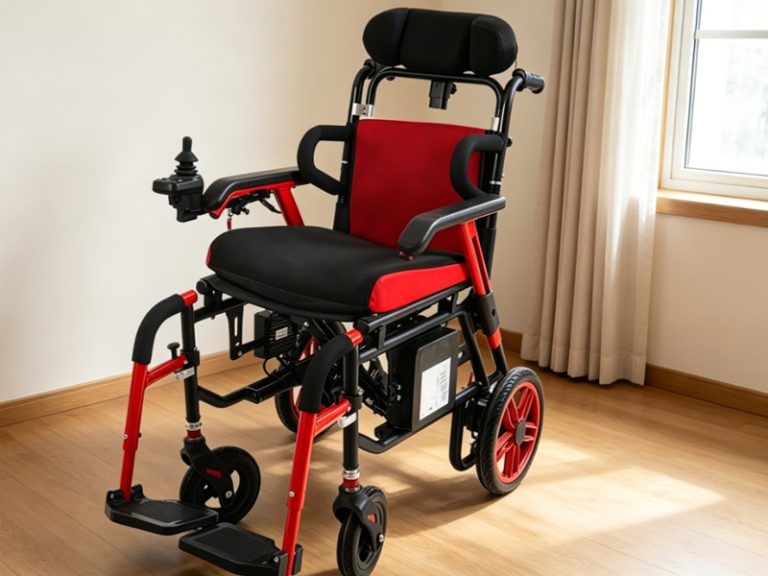
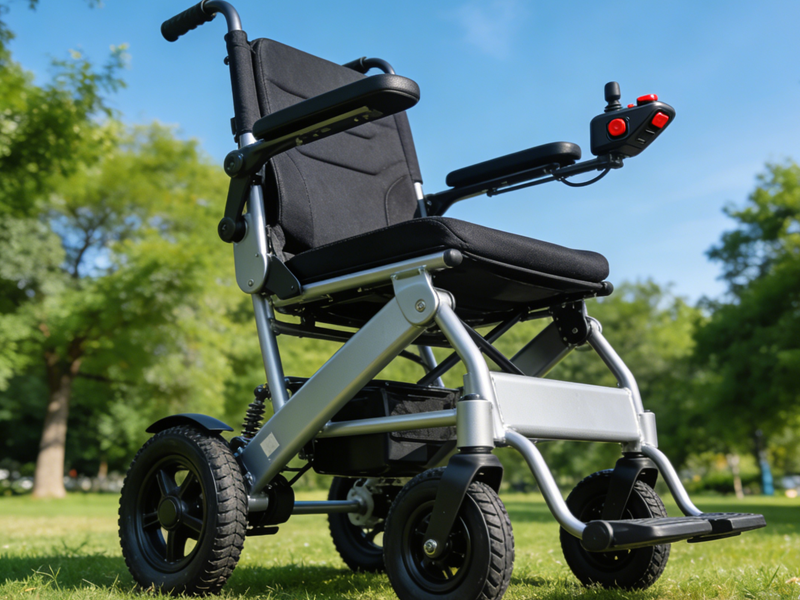
Motorized wheelchairs are larger and heavier than manual wheelchairs and often come with rechargeable batteries. The two most common battery types used in electric wheelchairs are lithium-ion and dry-cell (non-spillable) batteries.
Airlines typically transport motorized wheelchairs free of charge as checked baggage. However, you may encounter additional costs or special requirements if:
Lithium-ion Batteries: These are subject to specific safety regulations due to the risk of fire. As a result, airlines may require special handling, or you may need to remove the battery and store it separately.
Optional Insurance: Although airlines transport wheelchairs free of charge, purchasing travel insurance to cover potential damage or loss during transit is often a good idea.
2. Non-Motorized Manual Wheelchairs
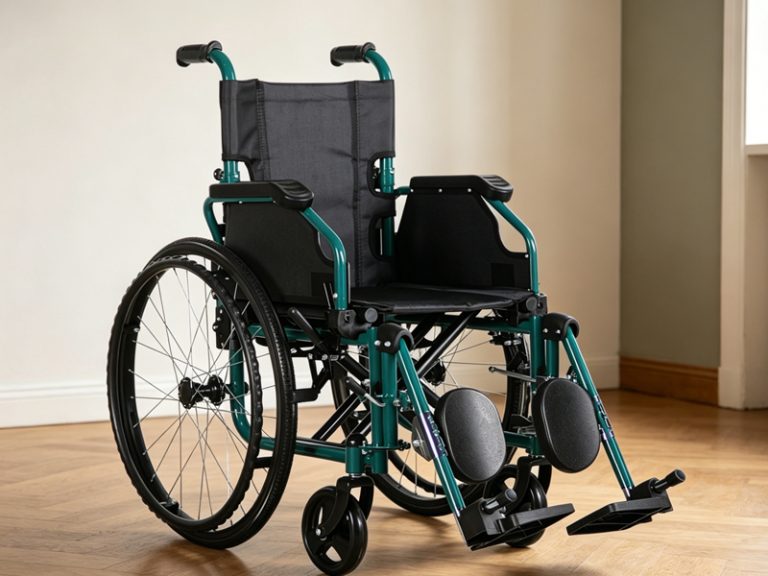
Manual wheelchairs are lighter and easier to handle compared to motorized versions. These are also typically transported as checked baggage free of charge. However, you may want to consider optional travel insurance or protective packaging if you are concerned about damage during the flight.
While airlines do not usually charge for transporting mobility aids, there are a few other potential costs you should be aware of when flying with an electric wheelchair.
Insurance Coverage: If you’re concerned about potential damage to your wheelchair, consider purchasing travel insurance that covers mobility aids. This could save you the cost of repairs or replacement in case of an accident during transit.
Secondary Travel Aids: Some travelers opt for a lightweight, portable manual wheelchair for ease of use within the airport or as an alternative to their electric wheelchair. This can incur extra costs if not covered by your airline.
Special Packaging or Battery Cases: Depending on your airline’s policies, you may need to buy a protective case or special packaging for your wheelchair or battery. These cases can cost anywhere from $20 to $100.
Preparing for Your Journey: A Step-by-Step Guide
Flying with an electric wheelchair requires some thoughtful preparation. Here’s a comprehensive checklist to ensure your travel experience is as smooth as possible:
1. Contact Your Airline Early
Notify your airline well in advance—at least 48 hours before your flight—about your need to transport an electric wheelchair. Provide details about:
The weight and dimensions of your wheelchair.
The type of battery your wheelchair uses (lithium-ion, dry-cell, etc.).
Any disassembly requirements for your wheelchair, if applicable.
2. Understand Battery Regulations
If your wheelchair uses lithium-ion batteries, be aware that airlines adhere to strict guidelines for battery transport. Some airlines may require that your battery is:
Partially discharged (usually below 30%).
Removed from the wheelchair and carried separately in your cabin baggage in a safe, fireproof container.
Check with your airline to ensure that your battery complies with these regulations to avoid complications during security checks.
3. Inspect and Insure Your Wheelchair
Before you travel, inspect your wheelchair for any pre-existing damage. This can help avoid disputes in case of any damage during the flight. Consider purchasing insurance that covers your wheelchair for both repairs and replacement if necessary.
4. Label Your Wheelchair
Clearly label your wheelchair with your name, contact details, and flight information. This ensures that ground staff can quickly identify and return your wheelchair to you after you arrive at your destination.
5. Bring Assembly Instructions
If your wheelchair requires disassembly for storage in the cargo hold, bring a printed manual or a list of instructions to help the airline staff reassemble it correctly after the flight.
When flying with an electric wheelchair, it’s crucial to book a flight that accommodates your needs. Here are a few tips to make the process smoother:
1. Choose an Airline with Strong Accessibility Services
Not all airlines are created equal when it comes to accommodating passengers with disabilities. Research airlines that are known for their accessibility and have a good track record of supporting travelers with electric wheelchairs.
2. Make Advance Reservations for Wheelchair Assistance
In addition to notifying the airline about your electric wheelchair, make sure to request wheelchair assistance at the airport. This service includes help with boarding, deplaning, and navigating the airport.
3. Check for Accessible Seating and Amenities
Ensure that the airplane has accessible seating, onboard wheelchairs, and lift devices for boarding. You may need to request these accommodations in advance, as some seats or services may be limited.
The Air Carrier Access Act (ACAA) is a federal law that protects the rights of passengers with disabilities, including those who use electric wheelchairs. Under the ACAA, airlines are prohibited from discriminating against passengers with disabilities, ensuring that they can travel safely and comfortably. This includes providing wheelchair assistance, accessible seating, and other accommodations as necessary.
If you believe your rights under the ACAA have been violated, you can file a complaint with the airline. If necessary, you can escalate the issue to the Federal Aviation Administration (FAA).
Several organizations and government agencies offer support and resources for travelers with disabilities, including those using electric wheelchairs:
Federal Aviation Administration (FAA): The FAA provides detailed information about the ACAA and other rights for passengers with disabilities.
Transportation Security Administration (TSA): The TSA offers guidelines on traveling with disabilities, including accessible screening procedures.
Disability Rights Education and Defense Fund (DREDF): This organization provides resources and support for passengers with disabilities.
National Organization on Disability (NOD): The NOD offers information on accessible travel, including wheelchair assistance.
It’s also a good idea to reach out to your airline’s customer service team and the airport’s disability assistance department to ensure that all your needs are met.
1. What type of mobility scooter can I take on a plane?
You can typically bring a mobility scooter with a 24v 11.5ah battery on a plane. However, you must ensure it meets the airline’s specifications. Folding scooters, which are compact and can be disassembled, are popular for air travel as they are easier to store. Always check with your airline for any restrictions.
2. How much does it cost to take a mobility scooter on a plane?
In most cases, airlines do not charge extra for transporting mobility scooters due to regulations under the ACAA. However, certain costs may arise if you need to purchase special packaging, insurance, or if your scooter has a lithium-ion battery, which may require additional handling.
3. How can I travel with my mobility scooter?
To travel with a mobility scooter, notify your airline ahead of time and confirm their specific requirements. Make sure that your scooter’s battery complies with airline safety regulations and that you meet the airline’s criteria for transport.
Flying with an electric wheelchair or mobility scooter doesn’t have to be a stressful experience. By understanding your rights, coordinating with your airline, and preparing for any necessary special arrangements, you can ensure that your travel is both accessible and enjoyable. With the right planning, your electric wheelchair can travel with you safely and at no additional cost, allowing you to focus on the excitement of your journey rather than the logistics.