Our Location
Free Trade Tower, Xiyong street.
Chongqing, China

Free Trade Tower, Xiyong street.
Chongqing, China
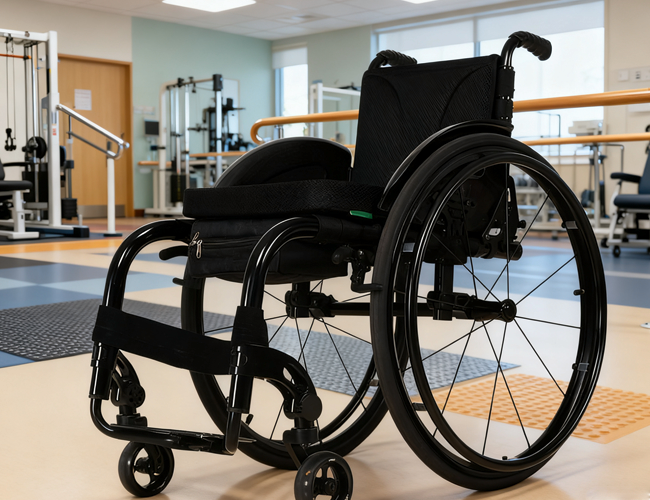
a wheelchair is not just a tool—it’s a daily companion. It carries the weight of independence, movement, and dignity. When someone spends hours or even an entire day in a wheelchair, comfort is not optional. It becomes the defining factor that determines health, mobility, and overall happiness.
That’s where ergonomic wheelchairs stand apart. They are not just about movement; they are about how the body feels while moving. Every curve, cushion, and angle is designed to support natural posture, reduce strain, and make long-term sitting as effortless as possible.
But what actually makes a wheelchair ergonomic? And what separates a comfortable chair from an uncomfortable one? To understand that, we need to look deeper into how human bodies interact with design—and why brands like Iyasocare are reshaping the meaning of wheelchair comfort worldwide.
Ergonomics is more than just a trendy design term. It’s the science of creating products that fit the human body naturally. In wheelchairs, ergonomics means ensuring that every point of contact—from the seat to the backrest, from the frame to the wheels—aligns with how the human body is meant to move and rest.
When a wheelchair lacks ergonomic design, users often compensate with poor posture. They might lean forward, slouch, or shift constantly to ease discomfort. Over time, this leads to shoulder strain, muscle fatigue, and even long-term injuries. On the other hand, an ergonomic wheelchair distributes weight evenly, supports natural spinal alignment, and helps maintain a healthy sitting posture without constant adjustment.
For wheelchair users, this can make the difference between feeling exhausted after an hour or comfortably active for an entire day.
When people think of “comfort,” they often imagine soft seats or thick cushions. But real comfort goes beyond that—it’s about balance, pressure relief, and posture support.
A truly ergonomic wheelchair considers how the spine curves, how the hips rotate, and how the user propels forward. The seat angle prevents sliding, the backrest supports the lower spine, and the cushion distributes weight so that no area bears too much pressure. It’s a balance between softness and structure.
Comfort also includes stability. A well-balanced wheelchair keeps your center of gravity aligned, allowing smoother propulsion and reducing the effort needed to move. For self-propelled users, this means less wrist and shoulder strain. For caregivers, it means easier pushing and maneuvering without constant correction.
Another element often overlooked is temperature control. Sitting for long periods can trap heat and moisture, leading to discomfort and skin issues. High-quality ergonomic wheelchairs now use breathable fabrics, memory foam layers, and even air-flow channels that keep users cool and dry.
When all these details come together, comfort stops being a feature—it becomes a feeling that defines the entire experience.
If you’ve ever tried multiple wheelchairs, you know the difference between one that “just works” and one that feels like it was made for you. True ergonomic comfort comes from small, intentional details that fit together perfectly.
Seat Contour and Angle – The seat isn’t flat. It follows the shape of the body, cradling the pelvis and keeping it stable. The slight tilt ensures that the user doesn’t slide forward, maintaining healthy spinal alignment.
Backrest Design – A contoured backrest supports the natural S-shape of the spine. This relieves tension in the lower back and prevents slouching, especially during long hours of sitting.
Armrests and Leg Rests – Adjustable components allow customization. The arms rest naturally without raising shoulders; the legs extend at the right angle to improve circulation.
Frame Geometry – In ergonomic wheelchairs, the frame design ensures that weight is evenly distributed. The position of the rear wheels is crucial: too far back, and it’s hard to propel; too far forward, and stability is lost. The perfect balance makes propulsion effortless.
Materials and Cushioning – Lightweight yet strong materials like aluminum or carbon fiber reduce total weight without compromising durability. Memory foam cushions or gel layers provide softness while maintaining shape under pressure.
Each of these details may seem minor alone, but together, they transform how a wheelchair feels.
Human bodies aren’t made to sit in one position for hours. Prolonged sitting can cause pressure injuries, muscle stiffness, and circulation issues. That’s why ergonomic wheelchairs are engineered with dynamic comfort in mind—they support movement, not stillness.
By properly aligning the spine and pelvis, ergonomic designs reduce fatigue in the core muscles. This allows users to maintain good posture effortlessly. In addition, some models offer tilt or recline options that redistribute pressure throughout the day.
Improved circulation is another benefit. Proper seat depth and leg positioning prevent blood flow restriction, reducing swelling and discomfort. Over time, this translates to healthier skin, better energy levels, and a more active lifestyle.
The result is comfort that doesn’t fade after an hour—but lasts throughout the day and, more importantly, through years of use.
Among global wheelchair manufacturers, Iyasocare has emerged as a name associated with trust, comfort, and thoughtful design. Unlike generic suppliers, Iyasocare approaches wheelchairs as long-term mobility companions, not temporary aids. Every product is built around real user feedback, clinical insight, and ergonomic research.
Take for example models like the YSM2110, YSM2201L, or YSM-Pony. Each of them showcases how precise engineering can enhance user comfort: lightweight frames that are easy to maneuver, breathable cushions for all-day freshness, and adjustable configurations that adapt to individual needs.
What sets Iyasocare apart is its dedication to balance. Instead of overloading designs with features, the brand focuses on what truly matters—fit, feel, and functionality. The goal is simple: to help users move freely, sit comfortably, and live independently without compromise.
Whether you need a manual wheelchair for daily mobility or an electric model with power assistance, Iyasocare’s ergonomic approach ensures that comfort remains at the center of every design decision.

Selecting a wheelchair is not about picking the most advanced model; it’s about finding one that fits your life. Comfort is personal. What feels perfect for one person might not suit another.
Here are a few principles to guide your choice:
Start with your lifestyle. Are you active and often outdoors? A lightweight, foldable ergonomic wheelchair might fit best.
Think about your posture. If you have back pain or spend many hours sitting, look for contoured back support and tilt options.
Check adjustability. The more adjustable the wheelchair, the better it can adapt to your unique body shape and routine.
Prioritize materials and weight. Aluminum or carbon fiber frames make daily movement easier, while breathable fabrics prevent discomfort.
Seek professional advice. A healthcare professional or trusted brand like Iyasocare can help tailor your wheelchair to your specific needs.
Choosing the right ergonomic wheelchair means choosing long-term health, comfort, and freedom.
At the heart of every ergonomic wheelchair is a simple truth: comfort is freedom.
It’s the feeling of being able to move without pain, to sit without strain, and to live each day without compromise.
An ergonomic wheelchair doesn’t just support the body—it enhances life.
It’s built on thoughtful design, precision engineering, and a deep understanding of human needs.
As technology advances and brands like Iyasocare continue to innovate, the future of wheelchair comfort looks more human than ever.
Because true comfort isn’t a feature—it’s a promise.