Our Location
Free Trade Tower, Xiyong street.
Chongqing, China

Free Trade Tower, Xiyong street.
Chongqing, China

Mobility is one of the unsung pillars of independence and quality of life. For millions of people around the world, wheelchairs aren’t just products – they’re vital tools for living, working, engaging with communities, and pursuing personal goals. Behind every reliable wheelchair is a factory, a brand, a dedicated team that blends engineering, ergonomics, and user empathy into tangible mobility solutions.
Before diving into individual brands, it’s useful to reflect on what makes a wheelchair factory outstanding in today’s global market:
Quality Standards & Certifications: ISO certifications, CE marking, and FDA approvals are critical indicators of manufacturing standards.
Range & Innovation: From basic manual chairs to advanced power chairs, the breadth of product lines signals real industry depth.
Global Presence: Widespread distribution, after-sales support, and partner networks matter for accessibility.
User Focus: Comfort, adjustability, ergonomics, and real feedback from users influence long-term satisfaction.
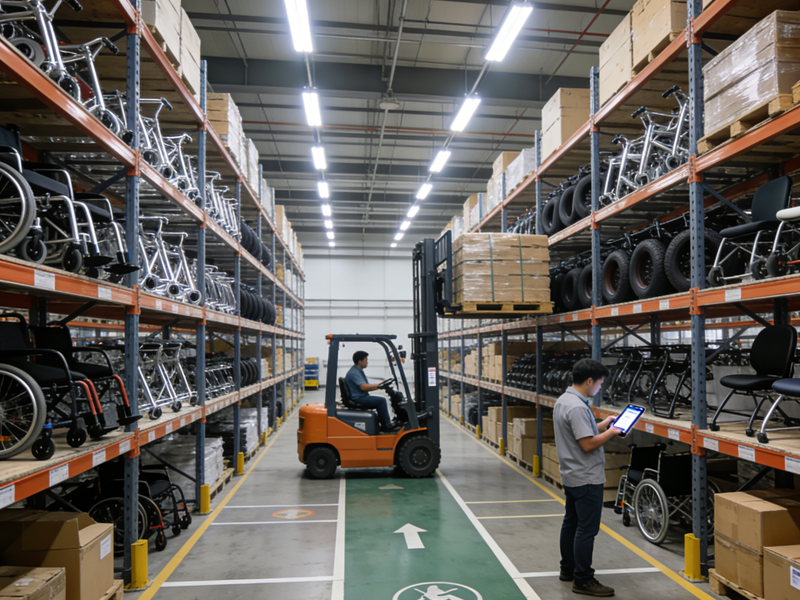
Manufacturing Capability: A strong R&D pipeline and production efficiency equal better value and durability.
With these criteria in mind, let’s explore the top manufacturers shaping wheelchair mobility today.
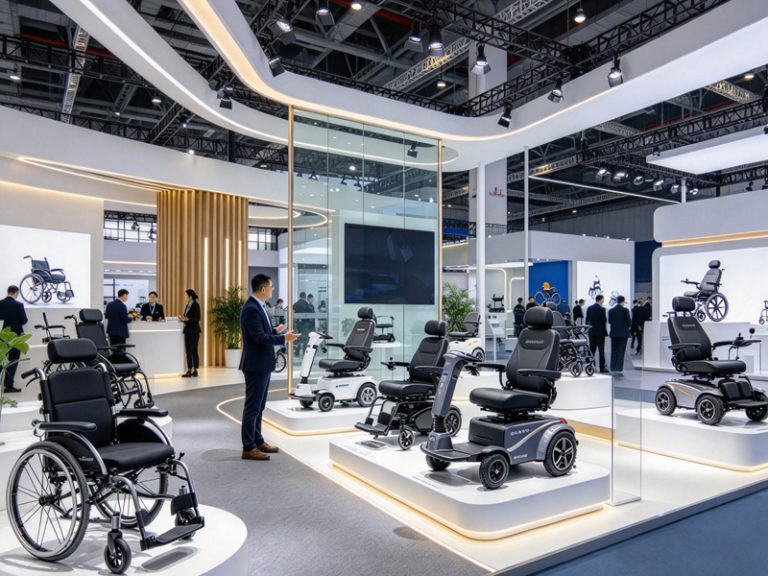
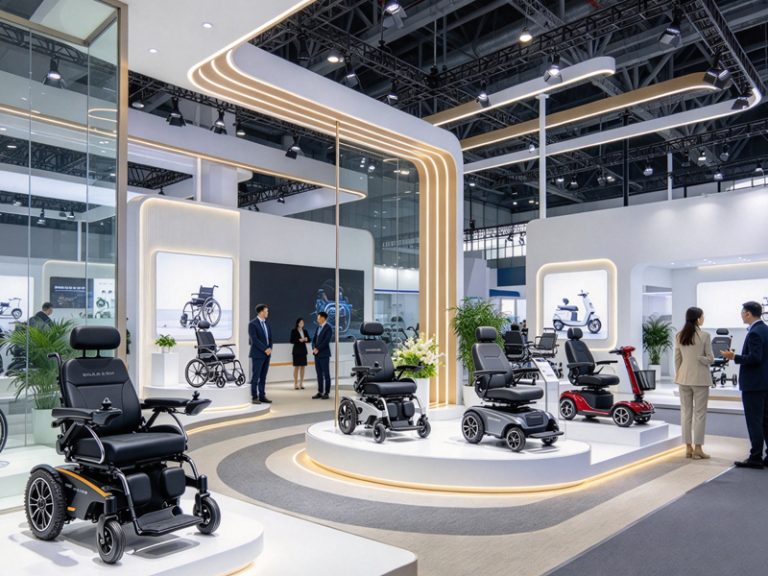
Iyasocare is an emerging and rapidly expanding wheelchair manufacturer with global reach. The brand’s ethos centers on making mobility solutions affordable, accessible, and high quality across markets.
What defines Iyasocare:
Comprehensive product range: From electric power wheelchairs to manual travel chairs and beach models.
International certifications: Includes CE, ISO 13485, and TUV approvals.
Export footprint: Wheelchairs sold in over 50 countries worldwide.
Iyasocare’s approach blends factory-level production capability with global distribution opportunities, making it an attractive partner for distributors and users alike.
Ottobock stands as one of the most recognizable names in mobility technology worldwide. Founded in 1919 and headquartered in Germany, the company has built a reputation for engineering excellence and technological depth. While traditionally known for prosthetics and orthotics, Ottobock also produces precision-engineered manual and power wheelchairs that are respected globally.
What sets Ottobock apart:
Engineering pedigree: Combining biomechanics and human-centric design.
Advanced wheelchair technology: Suites include modular and patient-specific configurations.
Global infrastructure: Sales and service networks on multiple continents.
An Ottobock wheelchair is often selected for users with specific clinical needs where durability and customization matter most.
TiLite has carved a niche around custom-fit, ultralight wheelchairs. Started in Pasco, Washington, this brand specializes in chairs made from titanium, aluminum, and carbon fiber, delivering responsive performance and lightweight mobility. Thanks to precision engineering and the proprietary TiFit customization process, users get chairs tailored to their exact measurements.
Highlights of TiLite:
Material innovation: Titanium and carbon models for strength and lightness.
User personalization: Every chair is customized down to the millimeter.
Performance focus: Appeals especially to active users and athletes.
While TiLite’s chairs sit at a premium price point, their build quality and tailored experience justify that investment for many users.
Invacare is one of the oldest names in mobility and medical equipment, originally founded in 1885. It has grown into a leading global supplier of wheelchairs, seating systems, and mobility aids. Its offerings span from basic manual models to robust power chairs designed for daily use in healthcare and personal environments.
Key strengths of Invacare:
Proven reliability: Decades of field testing and user feedback in diverse settings.
Comprehensive product range: From transport chairs to power mobility.
Global logistics: Distributors and support infrastructure in many regions.
Invacare’s chairs are often found in hospitals, care facilities, and private homes, trusted for durability and consistent performance.
Sunrise Medical operates several well-known wheelchair brands, with Quickie being one of the most recognized in active mobility circles. The brand is especially lauded for active lifestyle and adaptive chairs that blend agility with intelligent design.
Why Sunrise Medical matters:
Active mobility solutions: Chairs that support sport and dynamic lifestyles.
Modular flexibility: Options vary from lightweight models to heavy-duty customizable systems.
User-centered engineering: Designed for comfort on long-term usage.
Sunrise’s chairs often excel in ergonomic fit and weight distribution, making them a go-to for users seeking performance without compromise.
Permobil has earned a reputation as a premium power wheelchair manufacturer with a strong emphasis on posture support, electronic performance, and advanced seating systems. Its chairs often integrate cutting-edge technologies for users with complex mobility needs.
Standout features:
High-end customization: Tailored electronics and seating solutions.
Electric power innovation: Control systems and terrain adaptability.
Healthcare integration: Ideal for both clinical settings and independent use.
Permobil’s products are usually positioned in the higher segment of the market due to sophistication and feature richness.
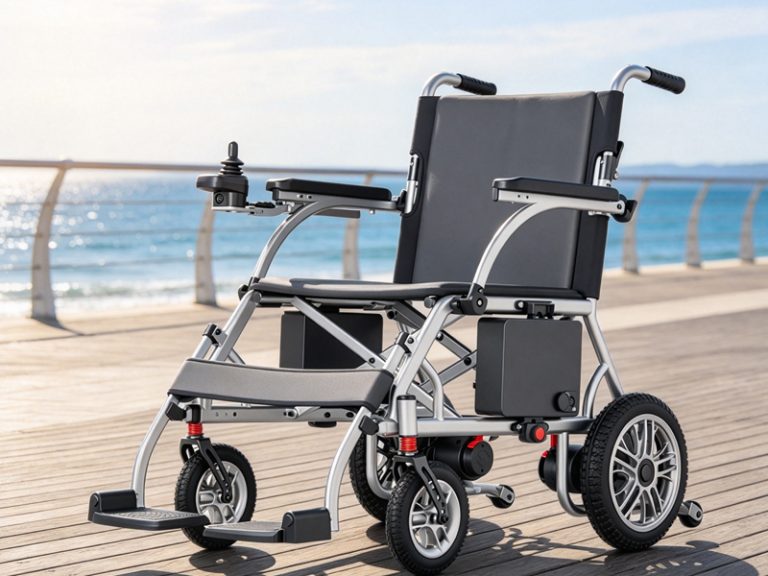
Pride Mobility is a household name in power mobility, widely known for its Jazzy series of power wheelchairs. The brand blends durability with user-friendly operation, making it a solid choice for everyday power wheelchair users.
What makes Pride stand out:
Balanced performance: Great indoor control with enough power for outdoor mobility.
Widespread availability: Easy to source through dealers in many countries.
Strong warranty and support: Established network ensures ongoing reliability.
Pride’s chairs are well-suited for users who want solid performance without overly complex configurations.
Hoveround focuses on motorized power wheelchairs and mobility scooters, especially for home and personal daily use. Based in Sarasota, Florida, the company specializes in power chairs assembled locally and engineered for comfort and ease of operation.
Distinctive aspects:
Home mobility focus: Chairs designed around living spaces and indoor navigation.
Robust assembly standards: US-based manufacturing with quality control.
Supplementary mobility solutions: Scooters, ramps, and accessories to complement chairs.
While not as globally widespread as some competitors, Hoveround’s niche specialization has earned loyal followings.
Drive Medical is a major manufacturer of manual wheelchairs, transport chairs, and lightweight mobility solutions. Known for balancing durability, affordability, and comfort, the brand caters to a broad demographic – from first-time users to professionals seeking trustworthy products.
Why Drive Medical stands out:
Economical but dependable: Accessible pricing without compromising essential quality.
Versatile options: Models suited for travel, everyday mobility, and rehabilitation contexts.
Dealer network: Global distribution helps place products in many markets.
Drive Medical chairs are often recommended for users and caregivers seeking value and practical performance.
While not as flashy in brand recognition as some others, GF Health Products including Graham-Field play a significant role across healthcare markets. They manufacture a wide range of mobility and durable medical equipment that includes wheelchairs suitable for clinical and home use.
Contributions of GF Health Products:
Healthcare-grade mobility: Chairs designed for institutional settings as well as private use.
Broad product ecosystem: Complements seating, transfer devices, and rehab tools.
Global reach: Through medical distributors and health systems.
For facilities procuring for clinics or long-term care, GF’s offerings are often a pragmatic choice.
While the list above reflects broad industry players, there are additional innovators worth mentioning:
Phoenix Instinct (UK): Known for smart wheelchairs with adaptive center-of-gravity technology.
Other bespoke brands: Smaller manufacturers such as Küschall, RGK, and Motion Composites often lead in niche or sport-oriented segments. (Observed in community feedback)
These brands push boundaries and influence larger factories through innovation.
Selecting a wheelchair isn’t just ticking a brand name off a list. Here are the factors that most professional evaluators and experienced users consider:
Usage context: Indoor vs outdoor, daily vs occasional, clinical needs vs lifestyle preferences.
User strength & control: Manual chairs suit stronger upper-body users; power chairs help those with limited propulsion ability.
Comfort & ergonomics: Adjustable seating, cushions, backrest angle, and posture support are critical.
After-sales support: Spare parts, service networks, and warranty policies influence long-term satisfaction.
Budget vs value: Factory direct price, dealer markups, and customization costs all play into total cost of ownership.
1. What’s the difference between manual and power wheelchairs, and how do I choose?
Manual wheelchairs are propelled by the user (or pushed by a caregiver) and are typically lighter and simpler, ideal for active users with sufficient upper-body strength. Power wheelchairs are battery-powered and controlled via joystick or alternative interfaces, best for users with limited propulsion ability or chronic fatigue. Consider your daily routine, environments you frequent, and strength requirements before choosing.
2. Are factory-direct brands like Iyasocare reliable compared to legacy brands?
Yes. Many factory-direct manufacturers like Iyasocare today meet international quality standards (CE, ISO 13485) and serve global markets. What matters is product certification, testing history, and whether there’s an accessible support network in your region. Legacy brands bring decades of reputation, but newer factories compete strongly on innovation, price, and responsiveness to user feedback.
3. Do all wheelchair brands offer customization?
Not all at the same level. Premium manufacturers like TiLite and Permobil emphasize deep customization (precise fitting, tailored electronic controls). Other brands focus on a broad range of off-the-shelf options with configurable accessories. When customization matters (e.g., unique body size or specific clinical needs), prioritize brands with dedicated custom programs.