Our Location
Free Trade Tower, Xiyong street.
Chongqing, China

Free Trade Tower, Xiyong street.
Chongqing, China
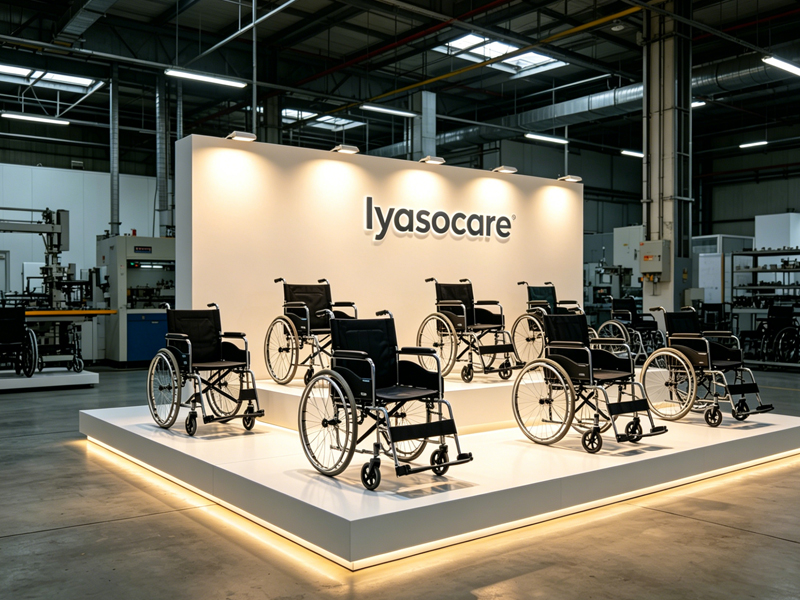
The global wheelchair market has evolved significantly over the past decade. As populations age, healthcare infrastructure expands, and accessibility standards improve across developed and emerging markets, demand for high-quality wheelchairs continues to rise. Behind every successful wheelchair brand entering international markets lies a critical decision that often determines its long-term growth trajectory: choosing the right business partners.
For imported wheelchair manufacturers, partnerships are far more than transactional relationships. Whether working with distributors, wholesalers, healthcare providers, rehabilitation centers, or retail networks, selecting the right partner can influence market penetration, brand reputation, regulatory compliance, customer satisfaction, and profitability.
Many manufacturers focus heavily on product innovation, production efficiency, and pricing strategies. However, even the most advanced wheelchair products can struggle in overseas markets if supported by weak distribution networks or inexperienced partners. Understanding how leading wheelchair manufacturers evaluate and select business partners offers valuable insights for both suppliers and organizations seeking collaboration opportunities.
The modern wheelchair industry operates within a highly regulated and competitive environment. Customers are no longer simply purchasing mobility equipment; they are investing in products that directly affect quality of life, independence, and healthcare outcomes.
As a result, imported wheelchair manufacturers must ensure that every partner representing their products aligns with their standards and long-term objectives.
In many regions, local partners act as the face of the brand. They provide product demonstrations, technical support, after-sales service, warranty handling, and customer education. A distributor with poor service capabilities can damage a manufacturer’s reputation regardless of product quality.
Furthermore, healthcare procurement systems differ widely between countries. Government tenders, insurance reimbursement programs, rehabilitation networks, and private healthcare channels each require specialized knowledge. Local partners often possess market intelligence that manufacturers cannot easily obtain from abroad.
The most successful wheelchair brands recognize that entering a market is not simply about shipping products. It involves creating a sustainable ecosystem where products, services, regulations, and customer expectations work together seamlessly.
When manufacturers begin searching for potential partners, market expertise typically becomes the first screening criterion.
A qualified partner should have a deep understanding of the local mobility aid industry. This includes familiarity with healthcare regulations, reimbursement policies, competitor positioning, customer purchasing behavior, and distribution channels.
Manufacturers frequently evaluate how long a company has operated within the rehabilitation or medical equipment sector. Years of experience often indicate established relationships with hospitals, rehabilitation centers, clinics, pharmacies, and healthcare professionals.
However, experience alone is not sufficient. Leading manufacturers also assess whether potential partners understand emerging trends such as lightweight wheelchairs, electric mobility solutions, ergonomic seating technologies, and smart healthcare integration.
A partner capable of anticipating future market shifts provides far greater value than one focused solely on current sales opportunities.
Manufacturers often conduct detailed interviews and market reviews to determine whether prospective partners possess strategic insights rather than merely operational capabilities.
One of the most common misconceptions in partner selection is that manufacturers prioritize companies with the highest sales figures.
While sales performance is certainly important, financial stability frequently carries greater weight during the evaluation process.
Wheelchair manufacturers invest significant resources in market development, inventory management, product certification, training programs, and promotional activities. These investments require partners capable of sustaining long-term commitments.
Financially unstable distributors may struggle with inventory purchases, delayed payments, insufficient marketing investment, or inadequate service infrastructure. Such issues can disrupt supply chains and negatively impact customer satisfaction.
To minimize risk, manufacturers often conduct comprehensive financial assessments. These evaluations may include reviewing credit histories, annual reports, banking references, debt ratios, and overall business sustainability.
A financially healthy partner demonstrates reliability and the ability to support long-term growth initiatives rather than pursuing short-term gains.
Even exceptional products cannot succeed without effective market access.
Imported wheelchair manufacturers carefully analyze a partner’s distribution network before entering any agreement. This evaluation goes far beyond simply counting sales outlets.
Manufacturers examine whether the partner has strong relationships with key decision-makers throughout the healthcare ecosystem. These may include hospitals, rehabilitation centers, nursing homes, government procurement agencies, orthopedic specialists, and private healthcare providers.
Geographic coverage is another critical consideration. A partner serving only major metropolitan areas may not provide sufficient market penetration in countries where rural healthcare systems represent substantial opportunities.
The most attractive partners typically maintain diversified sales channels. Their networks often include traditional distributors, e-commerce platforms, healthcare institutions, retail mobility stores, and specialized rehabilitation providers.
A broad and balanced customer base reduces dependence on any single channel and creates greater resilience during market fluctuations.
Healthcare products face extensive regulatory requirements in nearly every market worldwide.
For imported wheelchair manufacturers, compliance failures can result in delayed shipments, legal penalties, product recalls, and reputational damage. Consequently, regulatory competence has become one of the most heavily weighted selection criteria.
Manufacturers seek partners with proven experience navigating local regulatory frameworks. These organizations understand registration processes, documentation requirements, product testing standards, labeling regulations, and import procedures.
In markets such as Europe, North America, Australia, and parts of Asia, compliance expertise can significantly accelerate market entry timelines.
Industry certifications further strengthen a partner’s credibility. Certifications related to quality management, healthcare distribution, medical device handling, and customer service often signal a commitment to professional standards.
Manufacturers recognize that regulatory excellence not only reduces risk but also creates competitive advantages in highly regulated markets.
In today’s wheelchair industry, after-sales service frequently determines customer loyalty more than product specifications alone.
A wheelchair is not a one-time purchase. Users often require maintenance, repairs, spare parts, fitting adjustments, and technical support throughout the product lifecycle.
For this reason, manufacturers place considerable emphasis on service infrastructure when evaluating potential partners.
Questions commonly explored during the assessment process include:
Partners capable of delivering comprehensive customer support strengthen both brand reputation and customer retention.
Manufacturers increasingly view service quality as a strategic differentiator rather than an operational necessity.
Beyond measurable metrics, successful partnerships often depend on cultural compatibility.
Many international collaborations fail not because of poor products or weak sales performance, but because the organizations involved operate with fundamentally different priorities.
Wheelchair manufacturers frequently seek partners whose values align with their own commitment to accessibility, patient care, ethical business practices, and long-term development.
For example, a manufacturer focused on premium quality may struggle with a distributor whose primary objective is aggressive price competition.
Similarly, brands emphasizing customer experience may encounter challenges when working with partners lacking service-oriented cultures.
During evaluation stages, manufacturers often spend considerable time understanding leadership philosophies, communication styles, organizational structures, and strategic visions.
Strong alignment creates smoother cooperation, faster decision-making, and greater resilience during market challenges.
The digital transformation of healthcare distribution has introduced new expectations for business partners.
Manufacturers increasingly evaluate whether potential collaborators possess advanced digital capabilities.
Modern partners are expected to utilize customer relationship management systems, digital inventory tracking, online marketing strategies, e-commerce integration, and data-driven decision-making processes.
Digital maturity allows manufacturers to gain better visibility into market performance, customer preferences, inventory levels, and sales trends.
Furthermore, online purchasing behavior continues to influence the mobility equipment sector. Patients, caregivers, and healthcare professionals often conduct extensive online research before making purchasing decisions.
Partners with strong digital marketing capabilities can significantly improve brand visibility and customer acquisition efficiency.
As healthcare technology continues evolving, digital competence is becoming an essential rather than optional qualification.
The most successful wheelchair manufacturers do not view partnerships as short-term sales arrangements.
Instead, they prioritize building strategic relationships capable of supporting sustainable growth over many years.
Long-term partnerships generate numerous benefits. They improve market forecasting accuracy, enhance customer support consistency, reduce operational risks, and encourage joint innovation initiatives.
Manufacturers often invest heavily in partner development through training programs, marketing support, technical education, and collaborative planning sessions.
These investments are most effective when both parties share a commitment to mutual growth.
A strong partnership evolves beyond supplier and distributor roles. It becomes a collaborative alliance focused on improving mobility solutions and delivering better outcomes for wheelchair users worldwide.
In highly competitive markets, such relationships often become a significant source of competitive advantage.
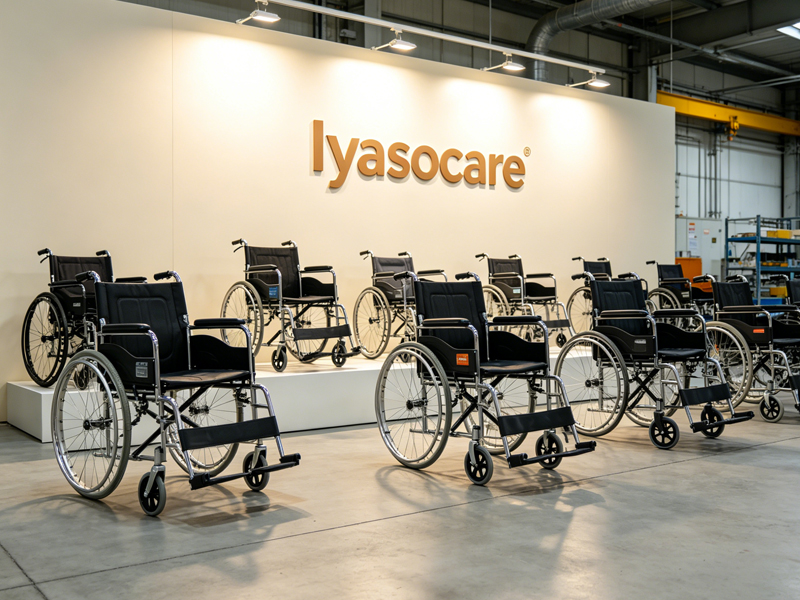
Selecting the right partner is one of the most consequential decisions an imported wheelchair manufacturer can make. While product quality remains essential, market success increasingly depends on the capabilities, reliability, and strategic alignment of local collaborators.
Leading manufacturers evaluate partners through a comprehensive lens that includes market expertise, financial stability, distribution strength, regulatory competence, service capabilities, cultural compatibility, and digital readiness.
The objective is not merely to identify companies capable of selling products. Rather, it is to build enduring partnerships that support customer satisfaction, regulatory compliance, sustainable growth, and long-term brand value.
As global demand for mobility solutions continues expanding, manufacturers that prioritize thoughtful partner selection will be best positioned to establish strong international footprints and create meaningful impact within the healthcare industry.
1. What is the most important factor when wheelchair manufacturers choose an overseas partner?
While multiple factors are considered, market expertise and regulatory knowledge are often the most critical. A partner who understands local healthcare systems, customer needs, and compliance requirements can significantly improve market entry success and reduce operational risks.
2. Why do wheelchair manufacturers place so much emphasis on after-sales service?
Wheelchairs require ongoing maintenance, repairs, adjustments, and technical support. Strong after-sales service improves customer satisfaction, strengthens brand reputation, increases customer retention, and ensures long-term product performance.
3. How can a distributor attract partnerships with international wheelchair manufacturers?
Distributors can improve their attractiveness by demonstrating industry expertise, maintaining financial stability, developing extensive healthcare networks, investing in technical service capabilities, ensuring regulatory compliance, and building strong digital marketing and customer support systems.