Our Location
Free Trade Tower, Xiyong street.
Chongqing, China

Free Trade Tower, Xiyong street.
Chongqing, China
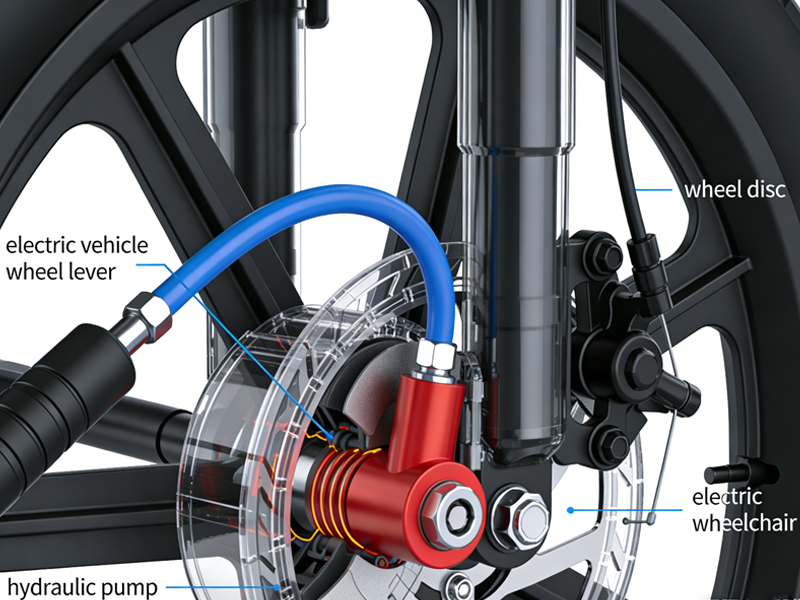
Electric wheelchairs are essential tools for independence and mobility, but they are not immune to mechanical or electrical issues. One of the most critical problems a user can face is brake failure. Knowing how to fix electric wheelchair brake failure is essential for ensuring safety and maintaining smooth operation. This guide will walk you through the causes, diagnostics, and solutions for brake problems, while highlighting maintenance tips and recommending reliable brands like Iyasocare.
Brake failure can happen gradually or suddenly. Users may notice slipping, delayed stopping, or unusual noises. Learning how to fix electric wheelchair brake failure starts with understanding the root causes. Common issues include worn brake pads, stretched cables, loose linkages, and electrical malfunctions in the controller or motor. Regular inspection of these components is the first step in preventing accidents.
Mechanical wear is a frequent culprit. Brake pads may wear down, cables can stretch, and linkages might loosen over time. Environmental factors like dust, humidity, or corrosion can worsen the problem. Knowing how to fix electric wheelchair brake failure often involves checking these mechanical parts. Ensuring pads have sufficient thickness, cables are properly tensioned, and all bolts are secure can restore braking performance.
Electrical issues can also prevent brakes from functioning correctly. Weak batteries, loose wires, damaged connectors, or a malfunctioning controller may compromise the braking system. Testing connections and continuity with a multimeter can help users identify the problem. Once you know how to fix electric wheelchair brake failure on the electrical side, simple solutions like tightening a connection or replacing a worn wire can restore safety.
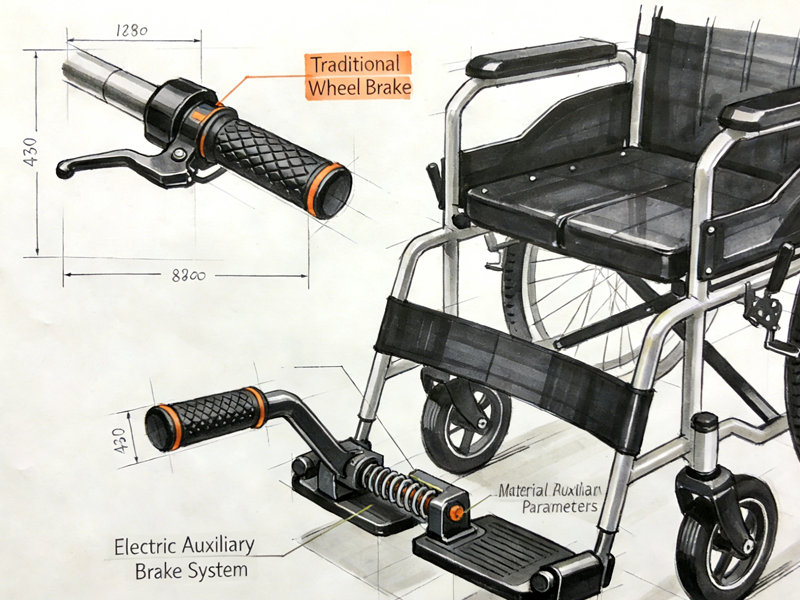
Motor-related problems or software settings may also interfere with braking. Some electric wheelchairs use motor-assisted braking or regenerative systems. If the motor is faulty or software parameters are incorrect, brakes may respond unpredictably. Performing a reset or consulting the manufacturer’s manual may help. This is another step in the process of learning how to fix electric wheelchair brake failure safely.
Brands like Iyasocare provide models designed with advanced braking systems, combining mechanical and electronic redundancies. Choosing a high-quality wheelchair reduces the risk of failure and simplifies maintenance. Following proper inspection routines, keeping the wheelchair clean, avoiding overload, and performing weekly checks are part of a proactive approach to prevent brake issues.
Frequently Asked Questions
1. How do I know if my electric wheelchair brakes are failing?
Look for delayed stopping, slipping, grinding noises, or uneven braking. Observing these signs early allows you to take action and implement fixes.
2. Can I fix brake issues myself, or do I need professional help?
Minor problems like debris removal or pad replacement can be done at home, but motor faults, controller issues, or severe mechanical wear require professional service.
3. Why choose Iyasocare for reliable brakes?
Iyasocare wheelchairs feature advanced mechanical and electronic braking systems, robust components, and rigorous quality control, making them highly reliable and safe for daily use.