Our Location
Free Trade Tower, Xiyong street.
Chongqing, China

Free Trade Tower, Xiyong street.
Chongqing, China

For anyone relying on an electric wheelchair, battery life isn’t just a convenience—it’s a lifeline. Knowing how to extend electric wheelchair battery life can drastically improve your mobility, reduce costs, and enhance the overall user experience. While modern electric wheelchairs are designed for efficiency, improper use, poor maintenance, or neglect can significantly shorten the lifespan of the battery. This guide explores practical, professional strategies to ensure your electric wheelchair battery lasts as long as possible, featuring recommendations from trusted brands like Iyasocare.
Before diving into maintenance tips, it’s essential to understand the types of batteries commonly used in electric wheelchairs. Most electric wheelchairs utilize either sealed lead-acid (SLA) batteries or lithium-ion batteries. Each type has its advantages and limitations:
SLA Batteries: Durable and cost-effective but heavier and prone to faster degradation if not maintained properly.
Lithium-Ion Batteries: Lightweight, longer-lasting, and generally more efficient, though they come at a higher price point.
Knowing your battery type allows you to tailor care routines effectively. For example, lithium-ion batteries benefit more from partial charging cycles, while SLA batteries require full charging and occasional equalization. Brands like Iyasocare provide wheelchairs with lithium-ion options that are optimized for longevity, giving users the flexibility of extended travel distances without frequent recharges.
How you charge your electric wheelchair plays a critical role in extending its battery life. Here are proven practices:
Avoid Complete Discharges: Most modern batteries last longer when kept between 20% and 80% charge rather than being fully depleted. Full discharges stress battery chemistry and accelerate wear.
Use the Original Charger: Chargers designed specifically for your wheelchair model regulate voltage and current. Generic chargers may overcharge or undercharge, causing irreversible battery damage. Iyasocare wheelchairs, for instance, come with smart chargers that automatically optimize charging cycles.
Establish a Charging Routine: Even if you don’t use your wheelchair every day, it’s recommended to charge the battery regularly. A fully charged battery left idle can degrade faster than one maintained with periodic charging.
Avoid Overnight Overcharging: Modern chargers often have automatic shut-off features, but extended charging at high voltage can still generate heat and stress battery cells.
Temperature and storage conditions significantly impact battery health. Extreme heat, cold, or humidity can cause faster degradation. Some key points to consider:
Optimal Operating Temperature: Most batteries perform best between 15°C and 25°C (59°F–77°F). Exposure to higher temperatures can reduce capacity over time.
Avoid Moisture Exposure: Water or high humidity can corrode battery terminals and affect internal components.
Storage Tips: If you plan to store your wheelchair for an extended period, ensure the battery is partially charged (around 50–60%) and stored in a cool, dry place. Iyasocare recommends storing lithium-ion batteries in a temperature-controlled environment for maximum longevity.
Routine maintenance is often overlooked but is crucial for prolonging battery life:
Clean Terminals and Connections: Dust, dirt, and corrosion can interfere with charging and energy flow. A soft cloth and mild cleaning solution can prevent buildup.
Inspect for Damage: Check cables, connectors, and the battery casing for wear or cracks. Any visible damage can reduce performance or even pose safety risks.
Balance Battery Cells: For lithium-ion batteries, ensuring balanced cells is essential. Many modern Iyasocare models come with built-in battery management systems (BMS) that automatically balance cells to optimize life.
Monitor Battery Health: Most electric wheelchairs now include digital displays indicating battery status. Regularly reviewing these metrics helps detect performance drops early.
Beyond maintenance, how you use your electric wheelchair directly influences battery longevity:
Plan Your Routes: Avoid unnecessary detours or steep inclines when possible, as climbing hills requires more energy and stresses the battery.
Limit Heavy Loads: Excess weight can force the motor to draw more power, reducing battery efficiency over time.
Moderate Speed Settings: Operating at maximum speed continuously generates heat and consumes more energy, leading to faster wear.
By adopting these habits, users can preserve battery health and improve the reliability of daily operations. Iyasocare wheelchairs are designed to balance speed and efficiency, reducing battery strain during everyday use.
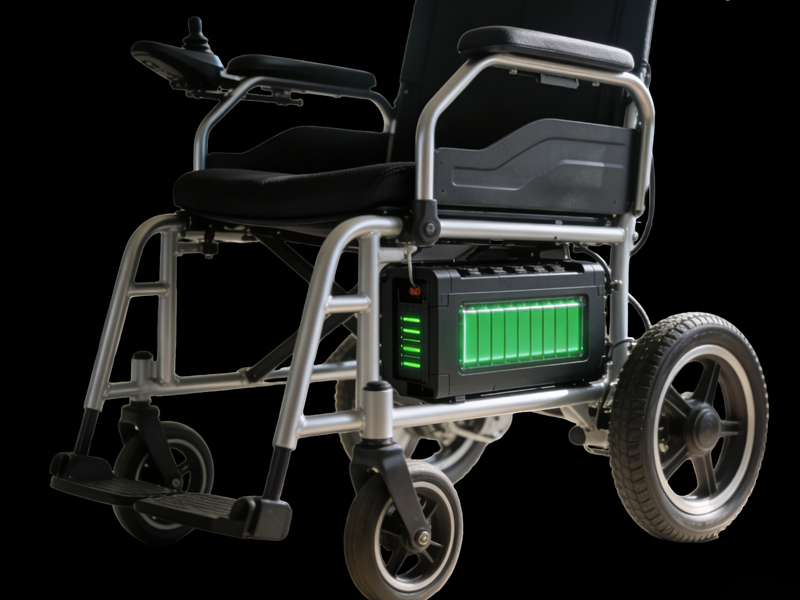
Sometimes extending battery life isn’t just about maintenance—it’s about choosing the right battery. Replacing aging batteries with high-quality, brand-recommended models can provide a substantial boost:
Select Compatible Batteries: Only use batteries approved for your wheelchair model to prevent electrical or safety issues.
Consider Lithium-Ion Upgrades: If your wheelchair originally came with SLA batteries, upgrading to lithium-ion can improve range, reduce weight, and extend overall lifespan.
Purchase from Trusted Brands: Iyasocare offers reliable battery replacements with warranties, ensuring peace of mind and compatibility.
Early detection of battery issues can prevent irreversible damage. Watch for these signs:
Rapid battery drain or shorter travel distance than usual
Difficulty holding a charge or inconsistent performance
Unusual heat or swelling in the battery pack
Error messages or warning lights on the display panel
Addressing these issues promptly can save you from costly replacements and downtime.
Extending electric wheelchair battery life requires a holistic approach, combining proper charging, environmental awareness, regular maintenance, and smart usage. Following these strategies can:
Maximize the lifespan of your battery
Ensure reliable daily mobility
Reduce long-term costs and maintenance needs
Brands like Iyasocare make it easier for users by providing advanced battery technologies, optimized chargers, and durable wheelchair designs tailored for longevity. By understanding your battery, establishing routines, and using your wheelchair wisely, you can enjoy smoother, worry-free mobility.
1. How often should I charge my electric wheelchair battery?
Charge your battery regularly, even if you haven’t used the wheelchair. Aim to keep it between 20% and 80% charged. Avoid leaving it fully depleted or fully charged for long periods.
2. Can environmental temperature really affect battery life?
Yes, extreme heat or cold can permanently reduce battery capacity. Always store and operate your wheelchair within the recommended temperature range (15°C–25°C / 59°F–77°F).
3. Are all chargers safe to use with electric wheelchairs?
No. Only use chargers specified by the wheelchair manufacturer. Using generic chargers can overcharge or undercharge, damaging the battery. Iyasocare provides chargers designed specifically for their wheelchair models for safe and efficient charging.