Our Location
Free Trade Tower, Xiyong street.
Chongqing, China

Free Trade Tower, Xiyong street.
Chongqing, China
Choosing the right mobility scooter can make a significant difference in your everyday life. Whether you’re running errands, visiting friends, exploring your neighborhood, or enjoying outdoor activities, having a scooter that feels comfortable and easy to operate can help you maintain greater independence.
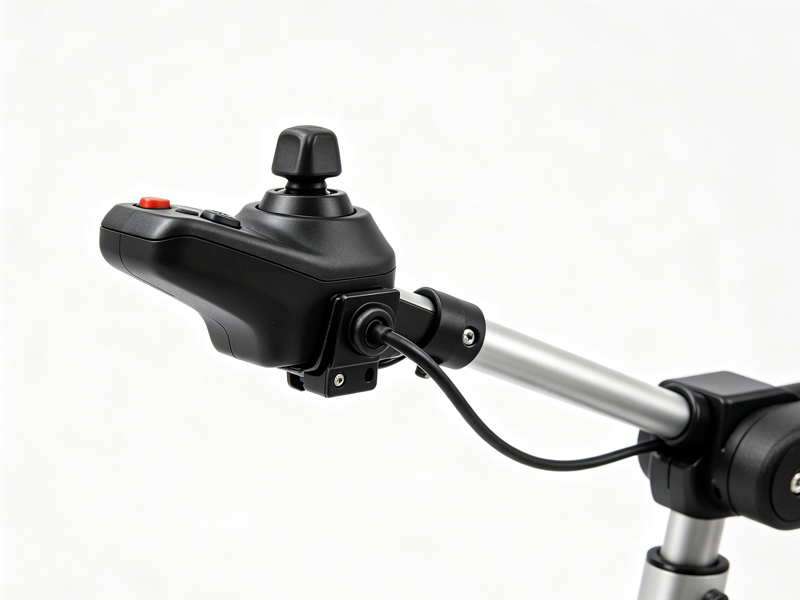
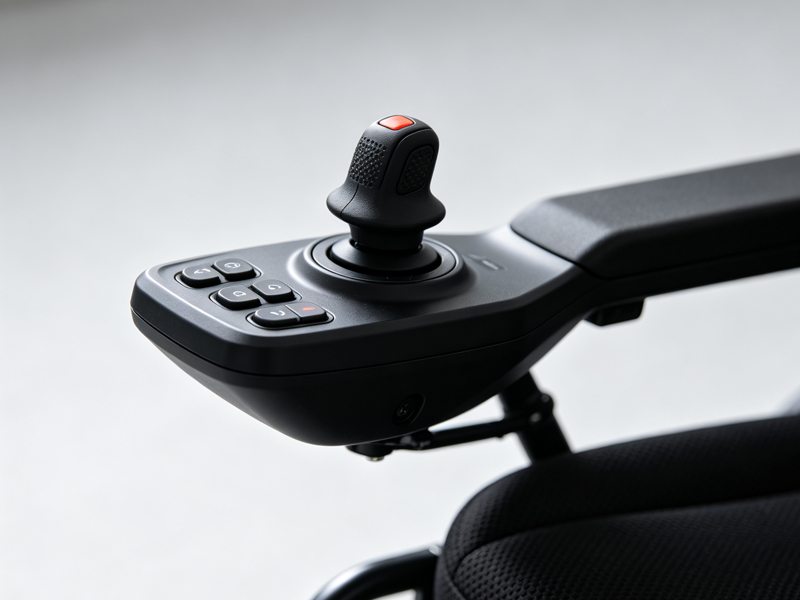
One feature that is becoming increasingly popular in modern mobility scooters is joystick steering. Unlike traditional scooters that typically use handlebar-mounted throttle controls, joystick-controlled models allow riders to direct their scooter with simple hand movements.
But is a mobility scooter with joystick control really worth considering? From improved maneuverability to a more comfortable riding position, this steering system offers several potential advantages.
One of the biggest advantages of a joystick-controlled mobility scooter is its intuitive operation.
Traditional mobility scooters generally use handlebars with separate throttle levers. Riders need to coordinate their hand movements to accelerate, turn, and stop. For some people, especially those who have difficulty gripping or operating multiple controls, this setup may feel uncomfortable.
A joystick simplifies the steering process. Instead of turning handlebars, you move the joystick in the direction you want to travel. Depending on the scooter’s control system, pushing the joystick forward moves the scooter forward, while moving it left or right changes direction.
Many joystick-controlled models also feature electronic braking systems. On certain designs, releasing the joystick gradually slows the scooter, while pulling it backward activates stronger braking.
This type of control can make the riding experience feel more predictable and manageable. However, braking functions vary by model, so it’s important to understand how your chosen scooter operates before riding.
Another advantage of joystick steering is the potential for a more open front design.
Traditional mobility scooters often have a steering column and handlebars positioned directly in front of the rider. While these components are necessary for conventional steering, they can partially obstruct the rider’s view of the area immediately ahead.
Some joystick-controlled mobility scooters eliminate the traditional steering column altogether. This creates a more open space in front of the rider.
Why does this matter?
A clearer forward view can help riders observe their surroundings, identify potential obstacles, and better understand their position when navigating sidewalks, driveways, and other accessible pathways.
Improved visibility may also make everyday maneuvering feel more comfortable, particularly in unfamiliar environments.
Of course, an open design does not replace careful driving. Riders should always remain aware of pedestrians, uneven surfaces, traffic, and surrounding obstacles.
Comfort is one of the most important considerations when purchasing a mobility scooter, especially for people who spend extended periods riding.
Traditional scooters often feature a central steering column that occupies some of the space in front of the seat. Depending on the design, this may limit how freely riders can position their legs.
A joystick-controlled scooter without a traditional steering column can offer additional legroom.
This can be particularly helpful for:
For example, someone recovering from a leg injury may find an open front seating area more accommodating, depending on their mobility and medical needs.
When comparing scooters, pay attention to seat dimensions, foot platform space, legroom, and adjustable seating features rather than focusing on steering style alone.
Operating a mobility scooter should not require unnecessary physical effort.
With some traditional steering systems, riders must continuously hold and manipulate handlebars or throttle levers. This may become tiring for people who experience limited grip strength, arm fatigue, or shoulder discomfort.
Joystick steering offers a different approach.
Many models allow riders to rest their forearms on the armrests while using one hand to control the joystick. Since the joystick generally requires relatively small movements, steering may feel less physically demanding.
This design can provide several comfort benefits:
However, comfort depends on the rider’s individual needs, joystick sensitivity, armrest positioning, and overall scooter design.
If you experience hand, wrist, or shoulder limitations, testing the joystick before purchasing is especially important.
For riders who have limited strength or mobility in one hand, operating a conventional mobility scooter can sometimes be challenging.
Joystick-controlled scooters may provide a more convenient alternative because steering and speed control can often be managed through a single control interface.
Instead of coordinating two hands around a handlebar system, riders can use one hand to move the joystick in the desired direction.
This can be beneficial for individuals who:
The actual level of accessibility depends on the scooter’s design and the rider’s physical capabilities. Some models also offer adjustable joystick positions, allowing users to select a more convenient control location.
Before purchasing, make sure the joystick can be comfortably reached and operated without causing unnecessary strain.
Not everyone feels comfortable using a new steering system immediately.
For first-time joystick users, controlling acceleration and direction with a small hand-operated device may require some practice.
Fortunately, certain advanced mobility scooters offer multiple driving modes or adjustable speed settings.
These features allow riders to begin with a gentler driving response before gradually becoming familiar with the controls.
For example, a lower-speed setting may be useful when learning how to maneuver in open spaces. Once the rider becomes more confident, higher settings may provide additional flexibility where permitted and appropriate.
Adjustable driving modes can be particularly helpful for:
Always begin in a low-speed setting and practice in a safe, open area. Read the manufacturer’s instructions and become familiar with the braking and emergency-stop functions before using the scooter independently.
A mobility scooter is more than a transportation device. For many people, it is an important tool for maintaining independence and participating in everyday activities.
A well-designed joystick-controlled scooter can make routine journeys more convenient by combining accessible controls with a comfortable seating arrangement.
Depending on the model, riders may enjoy using their scooter for activities such as:
The combination of joystick steering, an open front design, and comfortable armrests may create a riding experience that better accommodates certain users.
When choosing a model, remember that range, battery capacity, maximum speed, weight capacity, suspension, and terrain compatibility are also important factors.
Joystick steering can offer meaningful advantages, but it isn’t necessarily the perfect solution for everyone.
If you have difficulty gripping conventional handlebars, need additional legroom, or prefer controlling a vehicle with one hand, a joystick-controlled mobility scooter may be worth exploring.
On the other hand, riders who are accustomed to traditional steering may need some time to adjust to the new control system.
The best way to determine whether this design suits your needs is to try it yourself.
During a test ride, consider the following questions:
A test ride can help you understand how the scooter responds to your movements and whether its design matches your everyday requirements.
A mobility scooter with joystick control offers an alternative to traditional handlebar steering, with potential benefits that go beyond simply changing how you turn.
From a more open front design and additional legroom to reduced gripping requirements and convenient one-handed operation, this technology can make everyday mobility more comfortable for many riders.
The key is finding a scooter that matches your physical needs, lifestyle, and preferred riding experience.
Take the time to compare different models, understand their control and braking systems, and test their features before making a decision.
Your mobility scooter should work around your needs—not the other way around.
With the right combination of comfort, accessibility, and easy-to-use controls, you can enjoy greater confidence and convenience in your everyday journeys.