Our Location
Free Trade Tower, Xiyong street.
Chongqing, China

Free Trade Tower, Xiyong street.
Chongqing, China
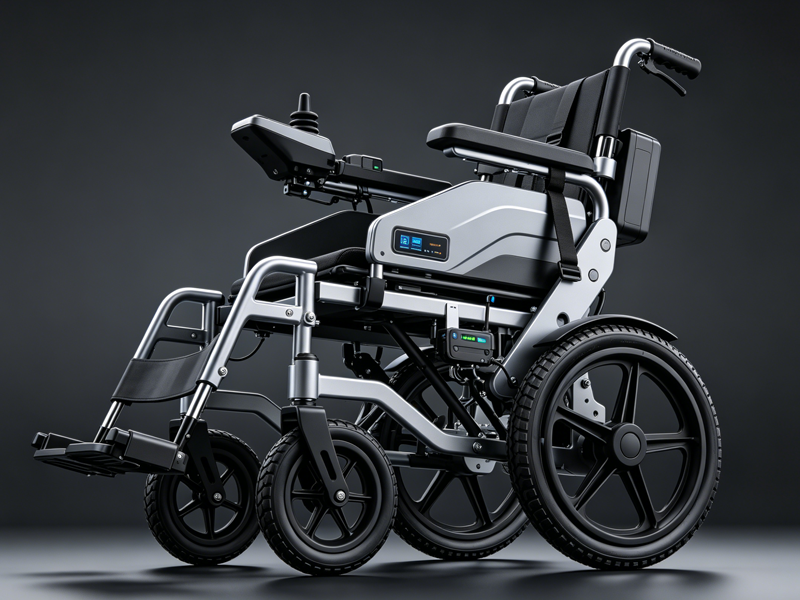
Mobility technology has entered a new era. Today’s wheelchair users expect more than basic movement—they need independence, confidence, comfort, and intelligent protection in every environment. Whether navigating crowded city sidewalks, crossing ramps, descending slopes, or moving indoors on polished flooring, safety remains one of the most important concerns for wheelchair users, caregivers, healthcare providers, and rehabilitation centers.
Table of Contents
ToggleThat demand has accelerated innovation in wheelchair engineering, leading to one of the most valuable advancements in recent years: the Multifunctional Wheelchair Intelligent Braking and Safety Control System.
This technology represents a major shift from conventional manual brakes toward integrated smart safety systems capable of monitoring terrain, detecting motion risks, supporting controlled stopping, and improving user stability in real time. Instead of relying solely on user reaction speed or caregiver intervention, an intelligent braking system adds an additional layer of protection designed to prevent accidents before they happen.
For wheelchair manufacturers, hospitals, distributors, and consumers looking for the next generation of mobility equipment, understanding how these systems work—and why they matter—is essential.
Standard wheelchair brakes have served users for decades. They are simple, mechanical, and familiar. However, they were designed for a different era—one where mobility aids were largely passive devices rather than active intelligent systems.
Traditional wheelchair brakes often present several limitations:
For many users, especially seniors or people with reduced upper-body strength, manually operating brakes can be challenging. In real-world situations, even a short delay can increase the risk of rolling, tipping, or unintended movement.
This is where a multifunctional intelligent braking system changes everything.
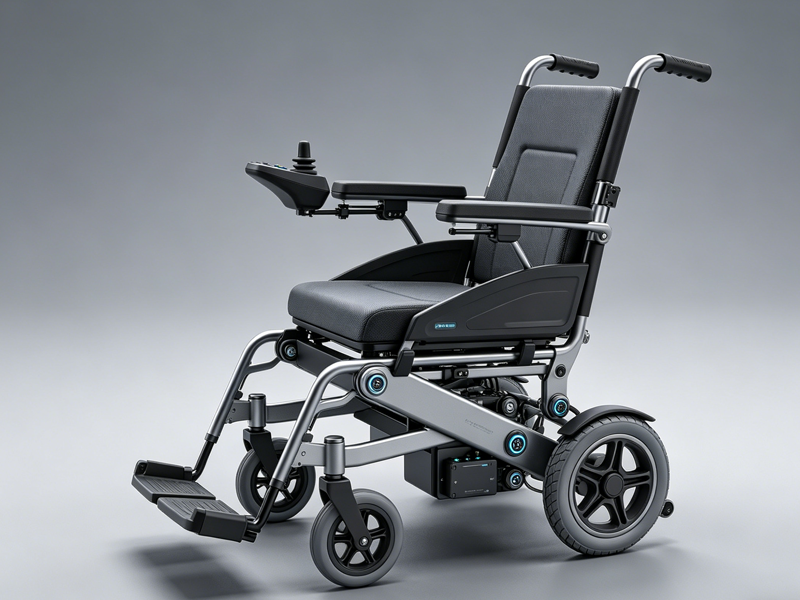
A multifunctional wheelchair intelligent braking and safety control system is an integrated safety platform that combines sensors, electronic controls, braking mechanisms, and automated responses to enhance wheelchair stability and user protection.
Instead of functioning as a single brake lever, the system continuously evaluates movement conditions and can activate braking assistance when necessary.
Typical functions may include:
| Core Function | Purpose |
|---|---|
| Automatic braking | Stops unwanted rolling on slopes or inclines |
| Speed regulation | Maintains safe downhill movement |
| Anti-slip control | Reduces wheel slip on smooth surfaces |
| Emergency stop | Rapid braking during danger events |
| Parking lock mode | Secure stationary positioning |
| Obstacle awareness | Assists reaction near hazards |
| Stability monitoring | Helps reduce tipping risk |
| User override controls | Keeps manual control available |
This combination transforms the wheelchair into a safer, more responsive mobility solution.
At the heart of the system is a coordinated interaction between sensors, processors, and braking hardware.
Motion Sensors and Incline Detection
Built-in accelerometers and tilt sensors monitor whether the wheelchair is on level ground, ascending, descending, or unexpectedly shifting position.
If the wheelchair begins rolling backward on a ramp, the system can respond instantly.
Wheel Speed Monitoring
Sensors track wheel rotation speed in real time. If downhill acceleration exceeds safe limits, controlled braking automatically slows movement while maintaining smooth travel.
Load and Balance Recognition
Advanced models may analyze user weight distribution. Sudden imbalance—such as leaning too far forward—can trigger stability support or warning alerts.
Smart Brake Actuation
Instead of abrupt locking, electronic brake control can apply progressive force. This improves comfort and reduces jolting during stops.
Manual Override and User Preference Modes
Users should always remain in control. Many systems include:
The result is a safer experience without sacrificing independence.
Technology only matters if it improves everyday life. Intelligent braking systems deliver practical value in situations wheelchair users encounter daily.
Safer Ramp Navigation
Ramps are common in homes, hospitals, airports, shopping centers, and public buildings. They are also one of the highest-risk movement zones.
An intelligent braking system can:
Better Indoor Movement
Polished tile, hardwood, vinyl, and hospital flooring can reduce traction. Smart anti-slip braking helps maintain control in these environments.
Enhanced Outdoor Mobility
Uneven sidewalks, curb transitions, parking lots, and wet pavement create unpredictable rolling behavior. Automated braking assistance helps users move more confidently outdoors.
Reduced Caregiver Stress
Caregivers often need to stabilize wheelchairs manually on ramps or during transfers. Intelligent braking lowers physical strain and reduces accident risk.
Improved User Confidence
Confidence is often overlooked in mobility design. Many users limit movement because they fear losing control. Safer braking expands freedom.
Healthcare facilities are under increasing pressure to improve patient safety, reduce falls, and modernize equipment fleets.
A multifunctional wheelchair intelligent braking and safety control system supports those goals in several ways.
Lower Transfer Risk
During patient entry or exit, secure parking lock modes prevent unexpected movement.
Safer Transport in Busy Environments
Hospitals involve elevators, ramps, crowded hallways, and rapid transport needs. Intelligent control improves operational safety.
Better Outcomes for Rehabilitation Users
Patients recovering from stroke, surgery, trauma, or neurological conditions often need temporary mobility support with higher safety margins.
Equipment Differentiation
Premium mobility fleets equipped with smart safety systems enhance facility reputation and care standards.
Engineering Features That Matter to Buyers
If you are sourcing wheelchairs for retail, medical use, or OEM distribution, evaluating system quality is critical. Not all intelligent braking systems are equal.
Key considerations include:
Response Speed
How quickly does the system detect motion risk and apply braking?
Reliability
Can it perform consistently after thousands of cycles?
Battery Efficiency
Does the electronic system minimize power consumption?
Weather Resistance
Can it handle humidity, dust, or outdoor use?
Noise Level
Quiet operation is especially important in hospitals and residential settings.
Maintenance Simplicity
Buyers prefer systems with diagnostic alerts and easy servicing.
Regulatory Compliance
International buyers should verify standards such as CE, ISO, FDA-related pathways where applicable, and local market certifications.
Population aging, chronic disease prevalence, and improved accessibility standards are reshaping mobility markets worldwide.
Several trends are driving demand:
As consumers become more informed, manual-only braking systems may increasingly be seen as outdated in premium categories.
Although nearly any wheelchair user can gain from safer braking, some groups benefit especially strongly.
Seniors
Reduced hand strength, slower reaction time, and balance concerns make automatic safety features highly valuable.
Stroke Survivors
One-sided weakness can make traditional brake operation difficult.
Users with Neuromuscular Conditions
Conditions affecting grip strength or coordination can limit manual braking ability.
Bariatric Users
Heavier loads require stronger, more reliable stopping control.
Temporary Rehabilitation Patients
Post-surgery patients often need added stability while regaining confidence.
Caregiver-Assisted Users
Family members and staff benefit from safer transport and easier parking control.
The future of mobility is connected. Intelligent braking systems increasingly integrate with broader wheelchair technologies such as:
For commercial fleets, this creates measurable operational benefits.
For consumers, it means safer, smarter independence.
Is intelligent braking only for electric wheelchairs?
No. While powered wheelchairs commonly use electronic safety systems, hybrid and manual-assist wheelchair platforms can also integrate intelligent braking modules.
Will the system take control away from users?
A well-designed system assists rather than replaces user control. Manual override remains essential.
Does it require frequent charging?
Most systems are optimized for low power use and integrated with wheelchair battery systems.
Is maintenance difficult?
Modern systems are increasingly modular, allowing faster service and component replacement.
If you are a distributor, importer, medical supplier, or private-label brand, supplier capability matters as much as the technology itself.
Choose a manufacturer that offers:
The right supplier helps turn product innovation into market success.
Today’s best systems respond to danger. Tomorrow’s systems will predict it.
Emerging innovations may include:
As these technologies mature, wheelchair safety will become increasingly proactive rather than reactive.
The Multifunctional Wheelchair Intelligent Braking and Safety Control System is more than a technical upgrade—it is a meaningful improvement in quality of life.
For users, it means greater confidence, safer movement, and stronger independence.
For caregivers, it reduces stress and physical burden.
For hospitals and distributors, it adds measurable value and modern differentiation.
For manufacturers, it represents the future direction of premium mobility design.
As the global demand for safer, smarter assistive equipment continues to rise, intelligent braking systems are set to become a defining feature of next-generation wheelchairs.
Businesses that adopt this technology early will be better positioned to serve evolving customer expectations and lead the future of mobility.
WhatsApp us