Our Location
Free Trade Tower, Xiyong street.
Chongqing, China

Free Trade Tower, Xiyong street.
Chongqing, China
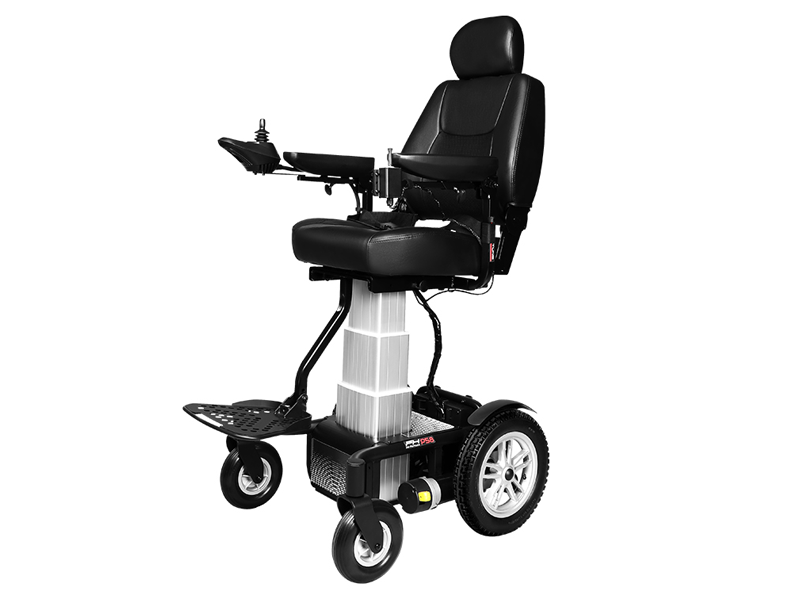
Aging brings wisdom, experience, and perspective—but it can also introduce physical challenges that affect everyday comfort and independence. For many seniors and individuals with limited mobility, something as simple as standing up from a seated position can become painful, exhausting, or even dangerous. This is where modern assistive furniture, particularly power lift chairs, has made a profound difference.
Power lift chairs are no longer niche medical devices tucked away in rehabilitation centers. Today, they are thoughtfully designed pieces of home furniture that combine comfort, functionality, and safety. They help older adults remain independent, reduce the risk of falls, and improve overall quality of life—all while fitting seamlessly into modern living spaces.
Mobility is closely tied to independence. When seniors lose the ability to move freely, even within their own homes, it can affect mental health, self-esteem, and overall well-being. Difficulty standing up from a chair often leads to over-reliance on caregivers, increased risk of falls, and in some cases, reduced social interaction.
Loss of mobility doesn’t usually happen overnight. It progresses gradually due to conditions such as arthritis, osteoporosis, joint degeneration, muscle weakness, neurological disorders, or recovery from surgery. A power lift chair addresses this progression proactively by supporting safe movement while preserving dignity.
Rather than waiting until mobility becomes a serious problem, many families now see lift chairs as a preventative solution—one that enables seniors to stay active and engaged longer.
A power lift chair is a motorized recliner designed to assist users in transitioning from a seated position to standing, and vice versa. Unlike standard recliners, lift chairs include a built-in lifting mechanism that gently raises the seat forward and upward. This motion reduces the effort required from the legs, knees, and lower back.
At first glance, a power lift chair looks like a comfortable recliner. The difference becomes apparent when you use it. With the push of a button on a handheld remote, the chair smoothly adjusts positions—reclining, elevating the legs, or lifting forward to assist standing.
Modern lift chairs are engineered to feel natural and secure. The movement is controlled, gradual, and balanced, ensuring that users feel stable throughout the transition.
The technology behind a power lift chair is straightforward yet highly effective. An electric motor—powered by a standard wall outlet—controls the chair’s movement. The motor is connected to a steel or reinforced frame that supports the lifting and reclining functions.
Most models are operated using a wired remote control with clearly labeled buttons. Users can recline the backrest, elevate the footrest, or activate the lift function independently or simultaneously, depending on the chair’s design.
Advanced models allow multiple position settings, such as:
Upright sitting for reading or conversation
Partial recline for relaxation
Full recline for resting or sleeping
Lift position for standing assistance
The simplicity of operation is intentional. Lift chairs are designed for users who may have limited hand strength, dexterity, or vision, making intuitive controls essential.
While the lift function is the defining feature, the benefits of power lift chairs extend far beyond helping someone stand up.
Promoting Independence and Confidence
One of the most powerful advantages of a lift chair is psychological. When seniors can sit and stand without assistance, they maintain a sense of autonomy. This independence reduces frustration and preserves dignity, especially for individuals who value self-sufficiency.
Reducing the Risk of Falls
Falls are one of the leading causes of injury among older adults. Many falls occur when attempting to stand from low or unstable seating. A power lift chair provides controlled support, significantly lowering the risk of losing balance during transitions.
Supporting Joint and Muscle Health
The gentle lifting motion reduces stress on joints, particularly the knees, hips, and lower back. For individuals with arthritis, chronic pain, or muscle weakness, this can make daily movement far more manageable.
Enhancing Comfort for Long Periods of Sitting
Many seniors spend extended periods seated. Power lift chairs are designed with ergonomic support, cushioning, and posture alignment to reduce pressure points and discomfort during prolonged use.
Encouraging Better Circulation
Reclining positions and leg elevation can improve blood flow, reduce swelling in the legs, and ease discomfort associated with poor circulation or edema.
Comfort Features That Make a Real Difference
Comfort is not a luxury for seniors—it is a necessity. The best power lift chairs are built with features that support the body holistically.
High-quality cushioning ensures pressure is evenly distributed, preventing soreness or skin irritation. Chairs with contoured backrests and lumbar support help maintain proper posture, which is especially important for individuals with spinal issues.
Adjustable headrests allow users to support their neck properly while watching television or resting. Some chairs also include adjustable footrests, enabling users to fine-tune their position for maximum comfort.
Many modern lift chairs offer additional features such as heat therapy and massage functions. Heat can soothe stiff muscles and joints, while massage settings help relieve tension and promote relaxation. These features are particularly beneficial for individuals with chronic pain or poor circulation.
A power lift chair must fit the user properly to be effective and safe. Chairs that are too large or too small can cause discomfort and even increase fall risk.
When selecting a chair, consider the user’s height, weight, and sitting habits. Seat height should allow the user’s feet to rest flat on the floor when seated upright. Seat depth should support the thighs without pressing behind the knees. Armrests should be positioned so the user can rest their arms naturally without straining their shoulders.
Weight capacity is equally important. Always choose a chair that supports more than the user’s actual weight to ensure durability and safety over time.
Manufacturers typically offer multiple size categories—petite, medium, large, and extra-large—to accommodate a wide range of body types.
Safety is one of the most important considerations when purchasing a power lift chair, especially for elderly users living alone.
A stable base and reinforced frame prevent tipping during operation. Chairs with a low center of gravity are particularly beneficial for users with balance issues.
Soft-start and soft-stop technology ensures that the chair moves smoothly without sudden jolts. This gradual motion reduces anxiety and minimizes the risk of injury.
Emergency battery backup is another essential feature. In the event of a power outage, the battery allows the chair to return to a seated or standing position, preventing the user from becoming stuck.
For chairs with heat and massage functions, built-in safety mechanisms such as automatic shut-off and adjustable intensity levels help prevent overheating or discomfort.
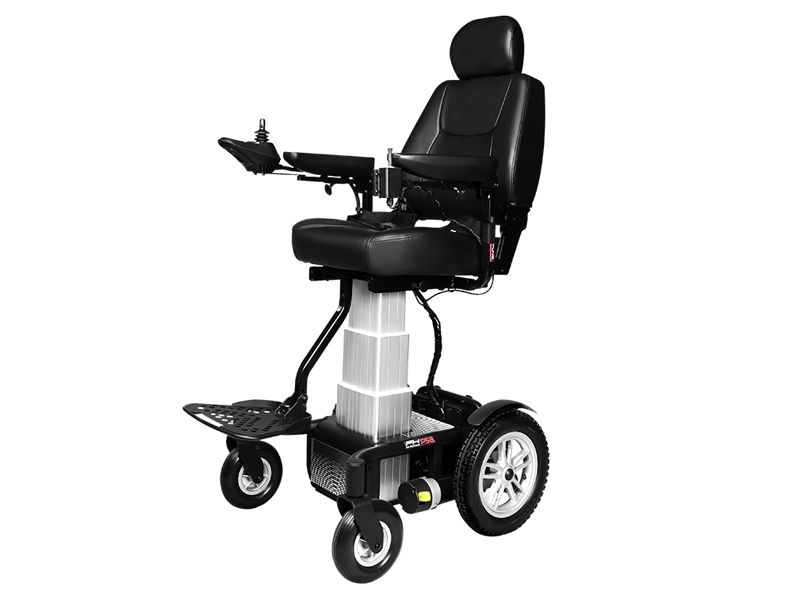
One of the reasons power lift chairs have become more popular is their improved design. Today’s models no longer resemble clinical equipment. They are available in a wide range of upholstery options, colors, and styles that blend seamlessly with home décor.
From classic fabric finishes to premium leather-look materials, users can choose a chair that matches their living room rather than stands out as a medical device.
Easy-to-clean materials are especially valuable for long-term use. Stain-resistant fabrics and removable covers help maintain hygiene and extend the chair’s lifespan.
Power lift chairs vary widely in price depending on size, features, and build quality. Entry-level models may focus on basic lift and recline functions, while high-end chairs include multiple motors, advanced comfort features, and premium materials.
While the upfront cost may seem significant, many families view lift chairs as an investment in safety, independence, and long-term comfort.
In some cases, health insurance or Medicare may cover a portion of the cost, particularly the lift mechanism, if the chair is deemed medically necessary. Coverage policies vary, so it’s important to consult with healthcare providers and insurance companies before purchasing.
Using a power lift chair correctly ensures both safety and longevity. Users should always rely on the remote control to adjust positions and avoid pushing or forcing the chair manually.
Sitting fully back in the chair before activating the lift function helps maintain balance and ensures smooth operation.
Routine maintenance is simple but important. Regularly cleaning the upholstery, inspecting cords, and checking for unusual noises can prevent minor issues from becoming major problems.
Most manufacturers provide care instructions and recommend periodic inspections of the motor and mechanical components. When issues arise, professional servicing is strongly recommended.
While power lift chairs are often associated with elderly individuals, they are equally beneficial for younger adults with mobility challenges. People recovering from surgery, living with disabilities, or managing chronic conditions can all benefit from the support these chairs provide.
Caregivers also experience reduced physical strain when assisting loved ones, making lift chairs a valuable solution for entire households.
A power lift chair is more than just a piece of furniture. It represents a commitment to safety, independence, and quality of life. As people live longer, creating supportive home environments becomes increasingly important.
By addressing mobility challenges early and thoughtfully, seniors can continue to enjoy their homes, routines, and independence with confidence.
1. Are power lift chairs suitable for daily, long-term use?
Yes. Power lift chairs are designed for everyday use and can safely support long hours of sitting, reclining, and standing assistance when properly maintained.
2. Do power lift chairs require professional installation?
Most power lift chairs arrive partially assembled and can be set up at home without specialized tools. However, professional delivery and setup may be beneficial for larger models or users with specific needs.
3. How long does a power lift chair typically last?
With proper care and regular maintenance, a high-quality power lift chair can last many years. Durability depends on build quality, usage frequency, and adherence to manufacturer guidelines.