Our Location
Free Trade Tower, Xiyong street.
Chongqing, China

Free Trade Tower, Xiyong street.
Chongqing, China
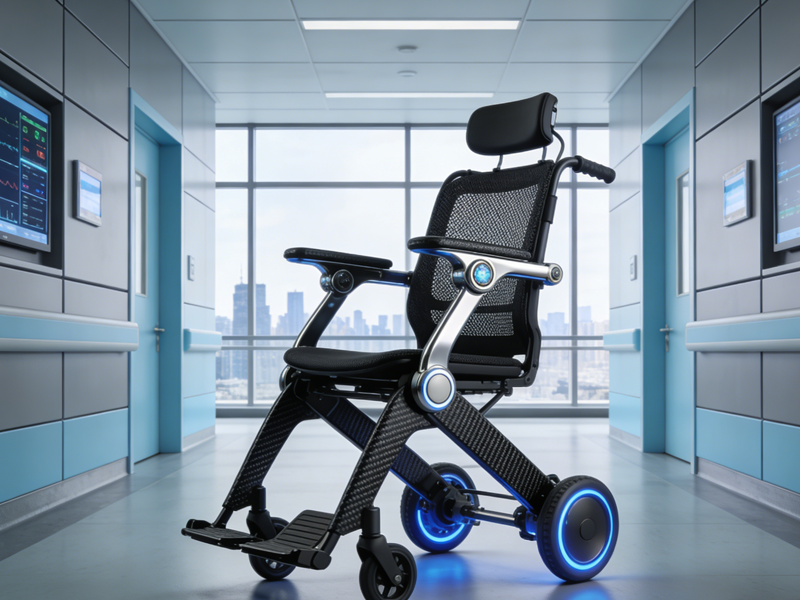
Daily maintenance tips for hospital wheelchairs are often treated as a secondary concern in busy healthcare environments. Yet, in reality, hospital wheelchairs are among the most frequently used and most physically stressed pieces of medical equipment in any facility. From emergency departments and outpatient clinics to imaging units and long-term care wards, wheelchairs are in constant motion, supporting patients with varying medical conditions, body weights, and mobility needs.
Ignoring daily maintenance does not simply shorten the lifespan of a wheelchair. It increases the risk of patient injury, compromises infection control standards, places additional physical strain on staff, and ultimately drives up operational costs. This article provides a comprehensive, practical, and experience-based overview of daily maintenance tips for hospital wheelchairs, written specifically for healthcare professionals, facility managers, biomedical teams, and procurement decision-makers.
In hospitals, wheelchairs are shared assets. Unlike personal mobility devices, a single hospital wheelchair may be used by dozens of patients in one day. This constant turnover creates unique challenges:
Rapid wear on moving components
Frequent exposure to disinfectants
High risk of contamination
Repeated transfers in and out of beds and diagnostic tables
Daily maintenance tips for hospital wheelchairs exist for one core reason: to manage risk before it becomes visible.
Most wheelchair failures do not happen suddenly. They develop gradually—loose bolts, worn brakes, misaligned casters, weakened upholstery. When these issues go unnoticed, the consequences can be serious: patient falls, staff injuries, delayed care, and liability concerns.
Hospitals that adopt structured daily maintenance routines consistently report fewer breakdowns, lower repair costs, and improved staff confidence when transporting patients.
To apply daily maintenance tips for hospital wheelchairs effectively, it helps to understand how damage accumulates.
Hospital wheelchairs experience:
Constant stop-and-go movement
Side loading during transfers
Impact from door frames and elevators
Uneven flooring transitions
Frequent folding, unfolding, and stacking
Even high-quality wheelchairs designed for clinical use are affected by this environment. The difference is not whether wear occurs—but how early it is detected.
This is where daily maintenance makes a measurable difference.
Among all daily maintenance tips for hospital wheelchairs, wheel inspection is the most critical. Wheels determine stability, steering accuracy, and braking effectiveness.
A daily wheel check should focus on:
Smooth rotation of rear wheels
Free swiveling of front casters
Absence of wobble or vibration
No visible cracks, flat spots, or debris
Proper alignment when rolling straight
Casters are especially vulnerable. Hair, threads, and dust accumulate quickly, restricting movement and causing uneven rolling. Over time, this increases pushing force and staff fatigue.
Many modern hospital wheelchairs—such as those manufactured by Iyasocare—use reinforced caster housings and sealed bearings to reduce maintenance frequency. Even so, daily visual and functional checks remain essential in high-traffic environments.
No list of daily maintenance tips for hospital wheelchairs is complete without addressing brakes.
Wheelchair brakes are most critical during patient transfers. A brake that “almost works” is not safe. Daily checks should confirm:
Brakes fully engage and hold position
Brake levers move smoothly
No slipping on common floor surfaces
Equal braking force on both sides
Brake issues often develop quietly. A slightly loose brake assembly may still appear functional until a transfer situation exposes the failure.
Hospitals that standardize daily brake testing significantly reduce fall-related incidents. High-end hospital wheelchairs, including Iyasocare clinical models, are engineered for frequent braking cycles, but even premium systems require consistent oversight.
The wheelchair frame supports the full weight of the patient and absorbs repeated stress throughout the day. One of the most overlooked daily maintenance tips for hospital wheelchairs is hands-on frame checking.
Daily frame assessment should include:
Checking for loose bolts and fasteners
Observing any bending or misalignment
Listening for unusual noises during movement
Ensuring folding mechanisms lock securely
Cross braces, armrest mounts, and footrest joints deserve special attention. These areas experience repeated load shifts during transfers.
Wheelchairs designed specifically for hospitals—rather than consumer use—tend to perform better here. Brands like Iyasocare emphasize reinforced frames and modular construction, which simplifies daily inspection and long-term maintenance.
Patient comfort is often underestimated in maintenance routines. In reality, discomfort can lead to poor posture, sliding, pressure points, and anxiety.
Daily maintenance tips for hospital wheelchairs should always include:
Inspecting seat upholstery for sagging or tears
Ensuring armrests are stable and padded
Confirming footrests adjust, fold, and lock correctly
Removing contaminants immediately
Damaged upholstery is not just uncomfortable—it is a hygiene risk. Medical-grade materials used by manufacturers like Iyasocare are designed to withstand daily cleaning, but daily inspection ensures damage is identified before infection control standards are compromised.
In hospitals, daily maintenance tips for hospital wheelchairs must align with infection prevention protocols.
High-touch areas require daily disinfection:
Push handles
Armrests
Brake levers
Hand rims
Footplates
Cleaning should be effective without damaging materials. Overuse of harsh chemicals can accelerate wear, leading to cracking, corrosion, and shortened equipment lifespan.
Many healthcare facilities now prefer wheelchairs with smooth surfaces and chemical-resistant finishes, making daily cleaning faster and more reliable. This is one reason hospital-focused brands like Iyasocare are increasingly selected for long-term use.
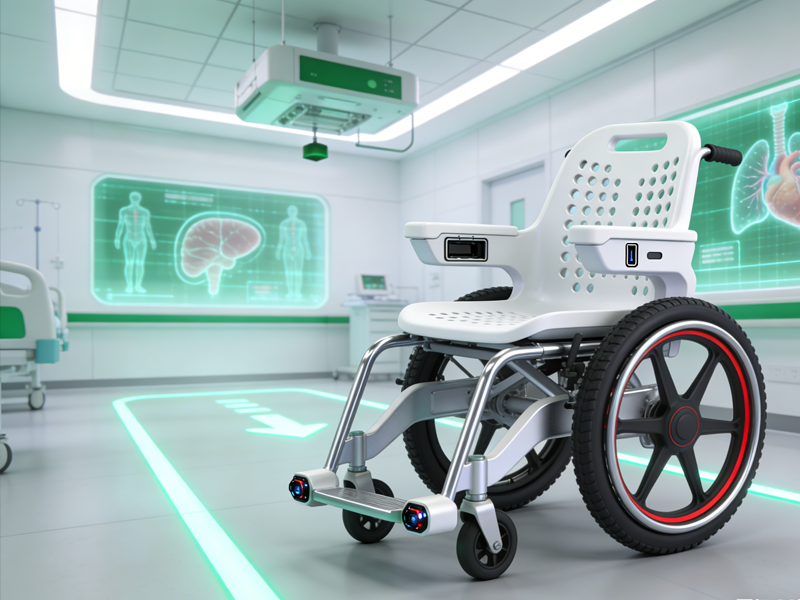
The most effective daily maintenance tips for hospital wheelchairs are those that fit naturally into existing routines.
Successful hospitals:
Assign clear responsibility for daily checks
Integrate maintenance into shift changes
Encourage immediate reporting of issues
Remove unsafe wheelchairs from circulation quickly
Rather than relying on long checklists, many facilities use short visual inspections combined with functional tests. The goal is not perfection—it is consistency.
From a management perspective, daily maintenance tips for hospital wheelchairs are not just about safety—they are about cost control.
Facilities that skip daily care often experience:
Higher repair frequency
Shorter replacement cycles
Increased spare parts usage
More staff downtime
In contrast, hospitals that pair daily maintenance routines with durable, hospital-grade wheelchairs—such as those supplied by Iyasocare—often extend equipment lifespan by several years.
Preventive care costs minutes per day. Reactive repairs cost money, time, and reputation.
Not all wheelchairs are equally suitable for daily maintenance environments.
When selecting equipment, hospitals should consider:
Ease of inspection
Tool-free adjustments
Modular replacement parts
Smooth, cleanable surfaces
Manufacturer support and spare part availability
Iyasocare focuses on wheelchairs designed specifically for clinical use, where daily maintenance is expected rather than optional. This design philosophy supports both frontline staff and long-term asset management.
Daily maintenance tips for hospital wheelchairs are only effective when supported by culture.
Staff should feel:
Responsible for equipment safety
Empowered to report issues
Confident that concerns will be addressed
Short training sessions, visual reminders, and leadership support go a long way. When staff understand that small daily actions protect patients and colleagues, compliance improves naturally.
Daily maintenance tips for hospital wheelchairs are not about adding extra work. They are about doing existing work more safely and intelligently.
Wheelchairs that roll smoothly, brake reliably, and remain clean communicate professionalism and care. They protect patients, reduce staff strain, and extend the value of hospital investments.
With consistent daily habits and well-designed equipment—such as hospital-grade wheelchairs from Iyasocare—healthcare facilities can achieve safer mobility, better hygiene, and lower long-term costs.
1. How often should daily maintenance tips for hospital wheelchairs be applied?
Daily maintenance checks should be performed every day the wheelchair is in use. In high-traffic hospitals, brief checks at the start of each shift are recommended to catch issues early.
2. Can daily maintenance really reduce wheelchair replacement costs?
Yes. Facilities that consistently apply daily maintenance tips for hospital wheelchairs often extend service life by 30–50%, especially when using durable, hospital-specific models like those from Iyasocare.
3. Are daily maintenance tips necessary even for new hospital wheelchairs?
Absolutely. New wheelchairs experience immediate stress in clinical environments. Daily maintenance protects the initial investment and ensures patient safety from the first day of use.