Our Location
Free Trade Tower, Xiyong street.
Chongqing, China

Free Trade Tower, Xiyong street.
Chongqing, China
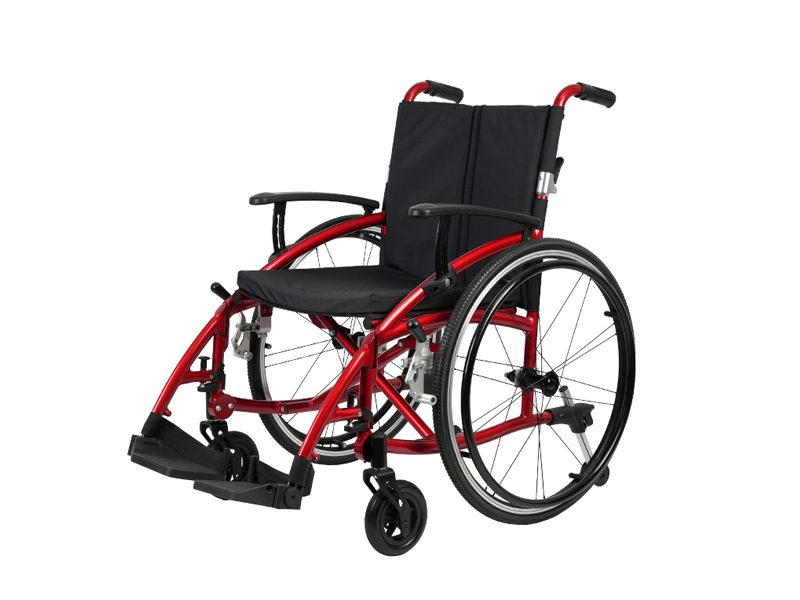
When choosing a wheelchair, the frame material isn’t just a technical detail — it defines the entire user experience. Among all options, aluminum alloy stands out as the modern standard for lightness, durability, and everyday usability. In this in‑depth guide, we explore why aluminum dominates contemporary wheelchair design, how it affects comfort and mobility, and how it’s applied across various models — from sport chairs to foldable everyday companions.
Long before wheels touch the ground, your wheelchair is defined by the skeleton that supports your movement: the frame. It’s the core structure that:
Carries your weight
Determines overall weight and portability
Influences riding comfort and stability
Affects long‑term durability
For decades, steel was the go‑to choice. Strong, cheap, and familiar, steel bikes and wheelchairs served millions. But steel comes with compromises: it’s heavier, can corrode over time, and adds strain when propelling the chair manually. That’s why aluminum alloy — and its use in everyday wheelchairs — has reshaped the industry.
Aluminum isn’t just a lighter metal — it’s a smarter engineering choice.
Here’s what sets it apart:
Aluminum alloys (commonly 6000 and 7000 series in mobility products) offer an excellent strength‑to‑weight ratio. In practical terms, a wheelchair built with aluminum can weigh significantly less than a comparable steel model — often by 10 kg or more — without compromising load‑bearing capacity.
This has two big real‑world effects:
Users tire less when self‑propelling
Caregivers find transfers and loading into vehicles much easier
Unlike steel, which rusts when exposed to moisture, aluminum forms an innate oxide layer that prevents corrosion. This makes aluminum wheelchairs especially suitable for humid climates or frequent outdoor use.
Lightweight frames mean lightweight chairs. Many modern aluminum wheelchair models are easy to fold, carry, and store — ideal for travel, frequent trips, and urban lifestyles where space matters.
These advantages explain why aluminum is the most common material in ultralight wheelchair design today.
Beyond specs and metallurgy, what does an aluminum wheelchair actually feel like?
Imagine this:
You fold the chair in seconds and slip it into your car trunk. When you propel yourself, your arms don’t tire as quickly. Daily transitions — from home to shopping, from pavement to sidewalk — feel natural and less draining. Over time, you notice: it moves with you, not against you.
That sense of ease isn’t accidental — it’s engineered.
High‑quality aluminum alloy frames balance lightweight handling with structural support. They’re especially well‑suited for users who value independence and mobility without the bulk and weight of traditional materials. The innovative design of these aluminum alloy wheelchair frames enhances maneuverability while ensuring durability and stability. Their corrosion-resistant properties further contribute to longevity, making them ideal for various environments. Additionally, the ergonomic features promote user comfort, addressing the needs of individuals seeking both functionality and ease of use in their mobility solutions.
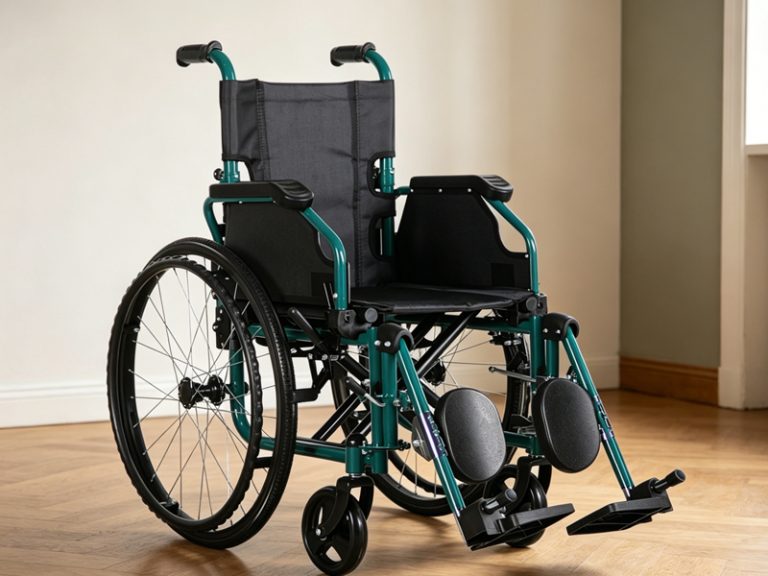
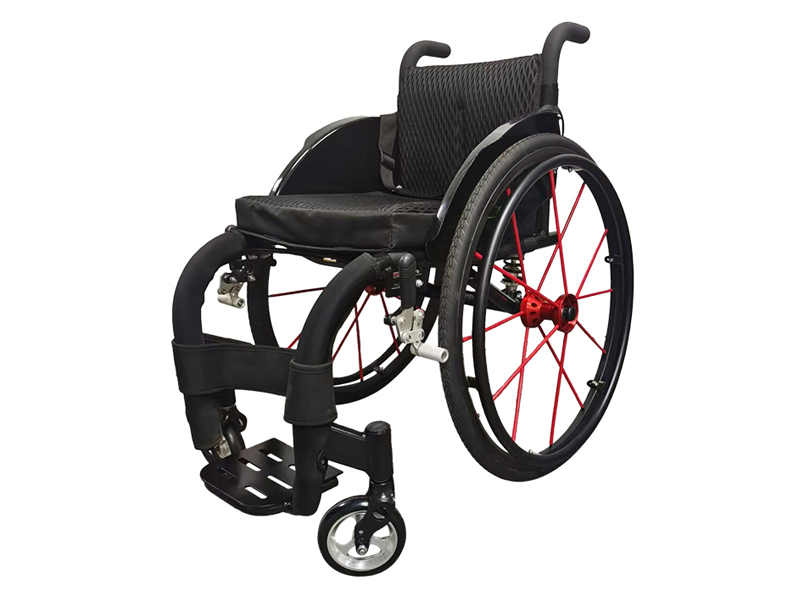
This model embodies lightweight performance without sacrificing comfort. At just 16–18 kg, it slides easily through daily environments — indoors, outdoors, on smooth floors, or uneven pavement.
One key benefit: the aluminum frame paired with ergonomic design elements such as a breathable mesh cushion supports longer sitting periods without discomfort. Adjustable seat widths (36/38/40/42 cm) cater to different body types, while the overall frame strength supports up to 100 kg of load.
What sets this model apart is not just its light weight, but the balance between durability and responsive handling. Users who lead active lives — travel, errands, sports‑oriented movement — will find it particularly suited to dynamic lifestyles.
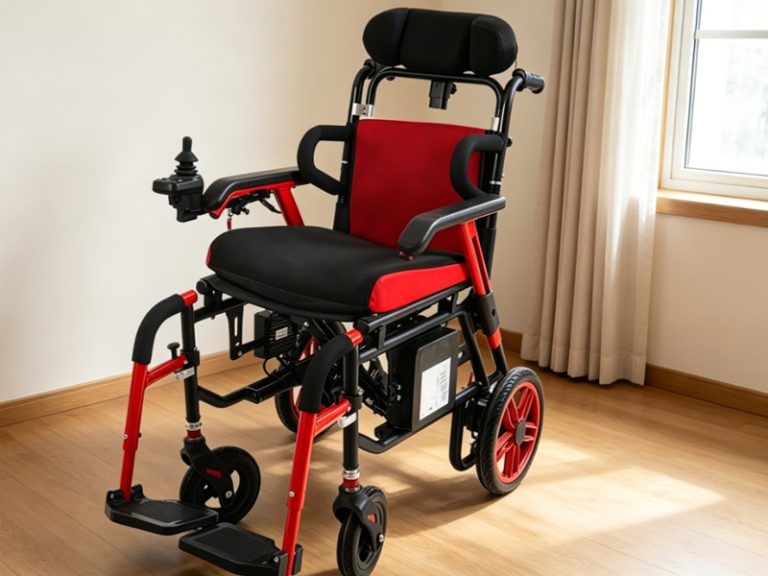
For everyday users, convenience is everything. This wheelchair features:
Quick‑release rear wheels that detach in a second
A lightweight aluminum alloy frame that weighs only around 15 kg
Adjustable armrests and removable footrests for comfort and accessibility
A foldable design that fits into compact spaces
With a net weight so low, carrying, transporting, and storing this chair becomes effortless rather than cumbersome.
The quick‑release system is particularly useful for caregivers and frequent travelers, enabling simple setup and breakdown without tools.
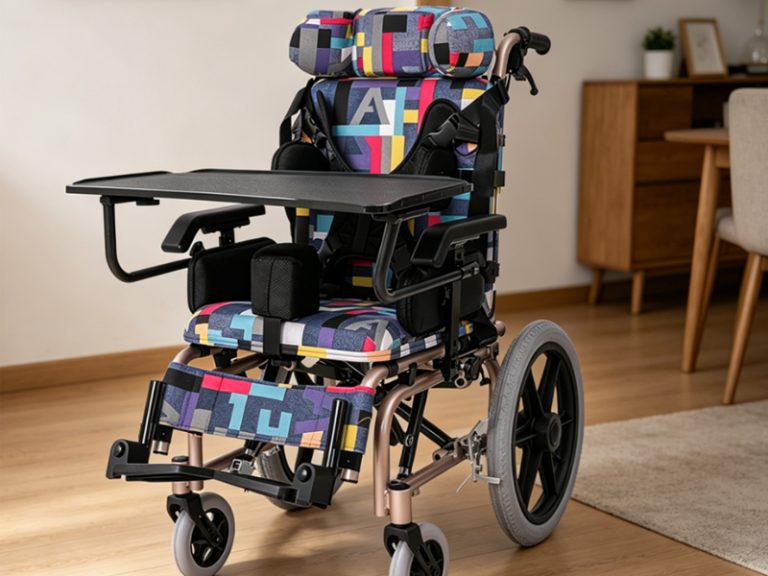
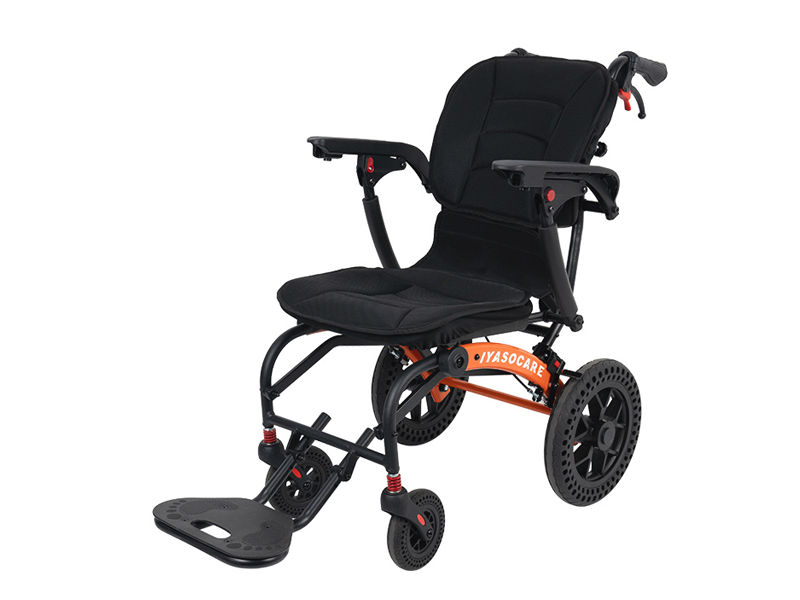
This model shows how aluminum frames can be combined with modern ride comfort features:
Honeycomb tires for smooth, puncture‑free rolling
Breathable mesh back and seat for airflow
Shock‑absorbing front fork for bump absorption
Adjustable footrests and flip‑up armrests
Despite weighing only about 12.5 kg, it supports up to 100 kg and folds down to a compact 40×55×70 cm.
For users who value comfort, portability, and reliable all‑day support — especially in urban travel or rehabilitation settings — this model delivers a smooth, stable ride while maintaining the benefits of an aluminum alloy frame.
If you’re in the market for an aluminum wheelchair, here are the factors that matter most:
A lightweight frame translates to easier handling, better travel convenience, and less fatigue. Aim for the lowest practical weight without compromising durability.
A compact fold makes storage and transportation far more convenient — critical for frequent travelers or users with limited storage space.
Ergonomic seat design, breathable materials, and supportive backrests help reduce fatigue — essential for long sitting periods.
Honeycomb or puncture‑resistant tires remove the worry of flats and improve ride smoothness, balancing stability with ease of movement.
Reliable brakes, ergonomic handrims, and stable frame geometry contribute positively to long‑term comfort and user confidence.
Understanding what aluminum offers makes it easier to see why it’s preferred in modern wheelchair design:
| Feature | Aluminum Alloy | Steel | Titanium |
|---|---|---|---|
| Weight | Very Low | High | Very Low |
| Corrosion Resistance | Excellent | Poor | Excellent |
| Maintenance | Low | Moderate | Low |
| Cost | Mid‑Range | Low | High |
| Ride Comfort | Good | Good | Excellent |
| Portability | Excellent | Moderate | Excellent |
Aluminum represents a compelling middle path: strong and durable like steel but significantly lighter, and more affordable than premium materials like titanium.
Daily Living and Independent Mobility
For users navigating shops, transit systems, and urban environments, the weight savings and foldability of aluminum frames make everyday use intuitive and less physically demanding.
Travel and Transportation
Whether flying cross‑country or driving locally, a lightweight aluminum wheelchair folds and stores more easily than heavier alternatives — reducing stress at every stage of your journey.
Rehabilitation and Recovery
In rehabilitation settings, lighter chairs help reduce fatigue during therapy sessions and support a more active recovery process. The corrosion resistance of aluminum also stands up well to frequent cleaning and disinfecting.
Active Lifestyles and Sports
Sport‑oriented wheelchair frames — like the ergonomic sport model above — benefit from aluminum’s light weight and strength, delivering responsive movement and efficient propulsion.
There are a few frequent questions or concerns that come up around aluminum:
“Is an aluminum wheelchair less durable than steel?”
Not necessarily. High‑grade aluminum alloys are engineered to balance durability and weight. With proper design and manufacturing quality, they last as long as daily‑use chairs need to.
“Does lightweight mean unstable?”
Not if the overall engineering is solid. A well‑designed aluminum frame balances geometry, wheel placement, and structure to ensure both stability and maneuverability.
Today’s aluminum alloy wheelchair frames offer a compelling blend of mobility, comfort, durability, and portability. They remove many of the barriers users once faced with heavier, harder‑to‑handle steel chairs and make independent movement more accessible and enjoyable.
Whether choosing a lightweight manual chair for daily use, a foldable travel model for freedom on the go, or an ergonomic sport version that supports active living, aluminum frames provide performance that stands the test of real life.
With the right balance of features — ergonomic seating, safe braking systems, optimized wheel design, and proven alloy construction — aluminum wheelchairs empower users to live with independence, confidence, and comfort.