Our Location
Free Trade Tower, Xiyong street.
Chongqing, China

Free Trade Tower, Xiyong street.
Chongqing, China
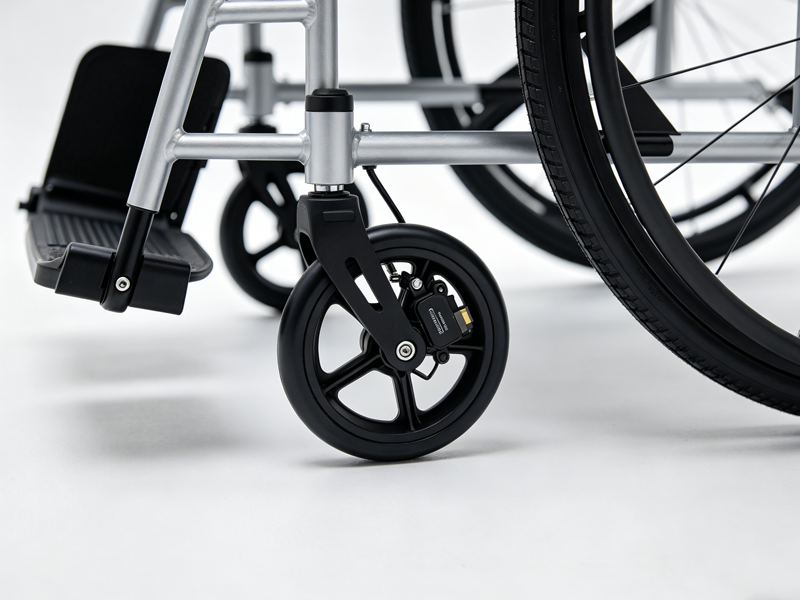
Today’s electric wheelchairs are no longer simple transport devices—they are intelligent mobility systems designed to improve safety, confidence, comfort, and everyday independence. Among the most valuable innovations in this space is the electromagnetic braking system.
For many buyers comparing powered wheelchairs, battery range, seat comfort, and turning radius often receive the most attention. However, braking technology is just as important—sometimes even more important. A wheelchair can have strong motors and excellent suspension, but without reliable stopping power, the overall user experience can be limited and unsafe.
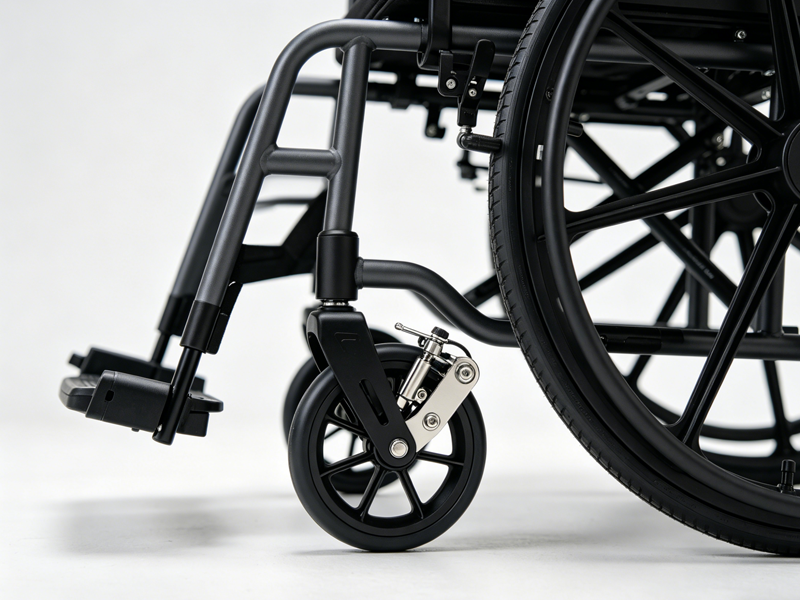
Electric wheelchairs with electromagnetic brakes offer a major upgrade over traditional manual or mechanical braking systems. They provide automatic stopping, smooth control, hill-holding capability, reduced maintenance, and added protection for both users and caregivers.
In most electric wheelchairs, the brakes remain locked when power is off or when the joystick is in a neutral position. When the user moves the joystick to drive, the brake releases automatically. Once the joystick is released, the brake re-engages.
This creates an intelligent and highly responsive braking process without requiring the user to manually pull levers or apply hand pressure.
In simple terms:
This automatic response is one of the biggest reasons electromagnetic brakes are preferred in modern powered wheelchairs.
When people shop for an electric wheelchair, they usually think about movement—but stopping is equally critical.
A user may need to stop suddenly because:
Without dependable braking, even a small delay can cause accidents, discomfort, or anxiety.
Electromagnetic brakes solve this by creating immediate, controlled stopping power with minimal user effort.
That means users can focus less on “Can I stop safely?” and more on “Where do I want to go?”
1. Automatic Braking Improves Everyday Safety
The most obvious benefit is safety.
Unlike manual systems that require physical force or quick reaction time, electromagnetic brakes engage automatically when movement input stops. This is especially valuable for users with:
The wheelchair stops when the joystick is released, helping reduce accidental rolling or uncontrolled motion.
For elderly users or those with progressive mobility conditions, this feature can make daily use significantly safer.
2. Better Stability on Slopes and Ramps
One of the biggest challenges for wheelchair users is navigating inclines.
Traditional systems may allow slight rollback on ramps. Manual brakes can also be difficult to apply consistently on slopes.
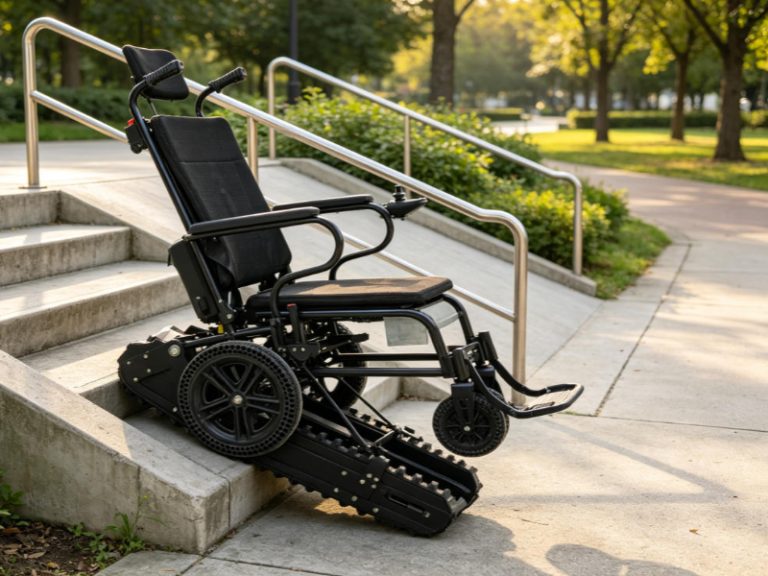
Electromagnetic brakes are especially effective here because they hold position automatically when movement stops.
This helps users on:
Instead of rolling backward while trying to restart movement, the chair remains steady until the user gives a forward command.
That creates a smoother, safer experience in both public and home environments.
3. Reduced Physical Effort for Users
Many powered wheelchair users already deal with fatigue, chronic pain, muscle weakness, or limited dexterity.
A braking system that requires hand pressure, grip strength, or repeated mechanical engagement adds unnecessary strain.
Electromagnetic braking eliminates that issue.
Because braking is integrated into the drive system:
The user simply controls movement through the joystick.
For individuals with conditions such as multiple sclerosis, Parkinson’s disease, muscular dystrophy, spinal cord injury, or arthritis, this can be a major quality-of-life improvement.
4. Smoother Stops Mean More Comfort
Harsh stopping can be uncomfortable and even painful.
Users with back pain, spinal sensitivity, post-surgical recovery, or poor trunk stability often feel every jolt in motion.
Electromagnetic brakes are designed to create controlled deceleration rather than abrupt locking. While emergency stops can still be responsive, normal joystick release typically results in a smoother stop than many basic systems.
Benefits include:
Comfort is not a luxury in mobility devices—it directly affects daily usability.
5. Increased Confidence for New Users
Many first-time powered wheelchair users feel nervous.
Common concerns include:
Electromagnetic brakes help remove these fears.
Because the chair stops when the joystick is released, operation feels intuitive and reassuring. Many users learn faster because they do not need to master separate braking techniques.
That confidence often leads to:
Confidence can be just as important as hardware.
6. Safer Transfers In and Out of the Chair
Transfers are one of the most sensitive moments in wheelchair use.
Whether moving to:
…the wheelchair must remain stable.
Electromagnetic brakes lock when the chair is stationary or powered off, helping prevent movement during transfers.
This reduces risk of:
For users with limited balance, this feature can be essential.
7. Lower Maintenance Than Some Mechanical Brake Systems
Mechanical braking systems can wear through friction surfaces, cables, springs, or alignment issues over time.
Electromagnetic systems are often enclosed and integrated, which can reduce exposure to dirt, moisture, and mechanical adjustment needs.
Depending on the wheelchair model and usage pattern, users may benefit from:
Routine servicing is still important, but many users appreciate the reliability and lower day-to-day hassle.
8. Better Performance in Tight Indoor Spaces
Indoor maneuvering demands precise starts and stops.
Think about navigating:
Even a small over-roll after stopping can be frustrating or risky indoors.
Electromagnetic brakes respond quickly when joystick input ends, allowing accurate positioning near tables, beds, counters, and doorways.
This precision improves usability in environments where inches matter.
9. Enhanced Caregiver Peace of Mind
Family members and caregivers often worry about independent wheelchair use.
Questions they ask include:
A wheelchair equipped with electromagnetic brakes provides reassurance because safety is built into the drive system.
That peace of mind can encourage families to support more independent movement instead of limiting mobility out of fear.
10. Energy-Efficient Smart Integration with Modern Controllers
Many advanced electric wheelchairs combine electromagnetic brakes with intelligent motor controllers.
This creates coordinated performance between:
The result is a smarter ride experience.
Some premium models also allow programming of braking sensitivity, speed response, and drive behavior through professional service tools.
This means the chair can often be adapted to the user’s medical needs and driving ability.
| Feature | Electromagnetic Brakes | Manual/Mechanical Brakes |
|---|---|---|
| Automatic stopping | Yes | No |
| Hill-hold support | Excellent | Limited |
| Physical effort needed | Minimal | Moderate |
| Indoor precision | High | Medium |
| Transfer stability | Strong | Depends on engagement |
| Ease for seniors | Excellent | Variable |
| Learning curve | Easy | Moderate |
This comparison shows why electromagnetic braking has become standard in many modern power chairs.
For distributors, clinics, hospitals, rehabilitation centers, and care facilities, wheelchair safety features influence purchasing decisions.
Electromagnetic brakes offer:
This is one reason many professional buyers prioritize this feature when sourcing mobility equipment.
Electric wheelchairs with electromagnetic brakes offer far more than modern convenience—they provide meaningful improvements in safety, control, comfort, and confidence.
For users navigating ramps, indoor spaces, transfers, or daily independence, this technology makes mobility easier and more secure. For families and caregivers, it provides reassurance. For professional buyers, it supports quality and reliability.
In today’s mobility market, braking technology should never be an afterthought.
If you are choosing a powered wheelchair for yourself, a loved one, or your customers, an electromagnetic braking system is one of the smartest features to prioritize.
Because true mobility is not only about moving forward—it is also about stopping safely, smoothly, and confidently whenever needed.
Are electromagnetic brakes standard on all electric wheelchairs?
No. Many quality models include them, but lower-end or older designs may use simpler systems.
Do electromagnetic brakes work when power is off?
In many models, yes. They lock the wheels when power is off for safety.
Are they good for elderly users?
Yes. They reduce physical effort and improve confidence.
Can they handle ramps?
They are especially useful on ramps because they help prevent rollback.
Do they need maintenance?
Yes, like any mobility component, but many systems require less routine adjustment than mechanical brakes.