Our Location
Free Trade Tower, Xiyong street.
Chongqing, China

Free Trade Tower, Xiyong street.
Chongqing, China
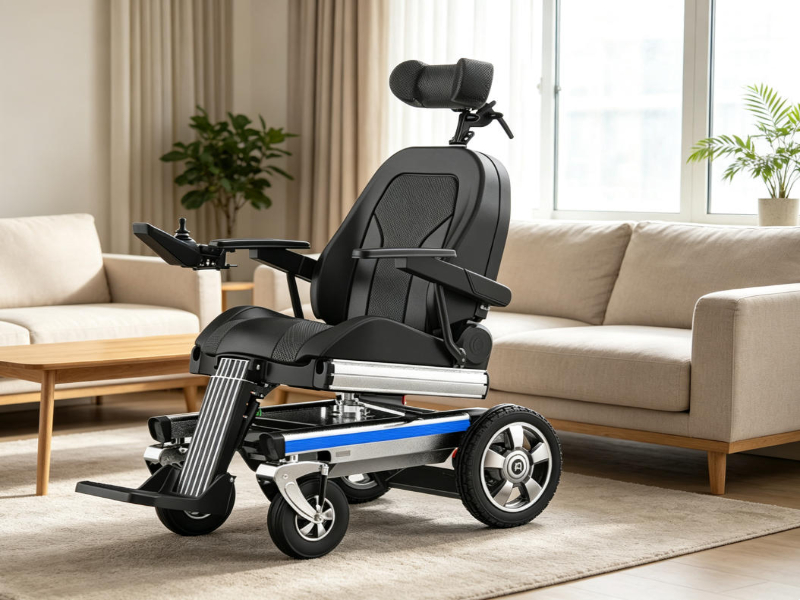
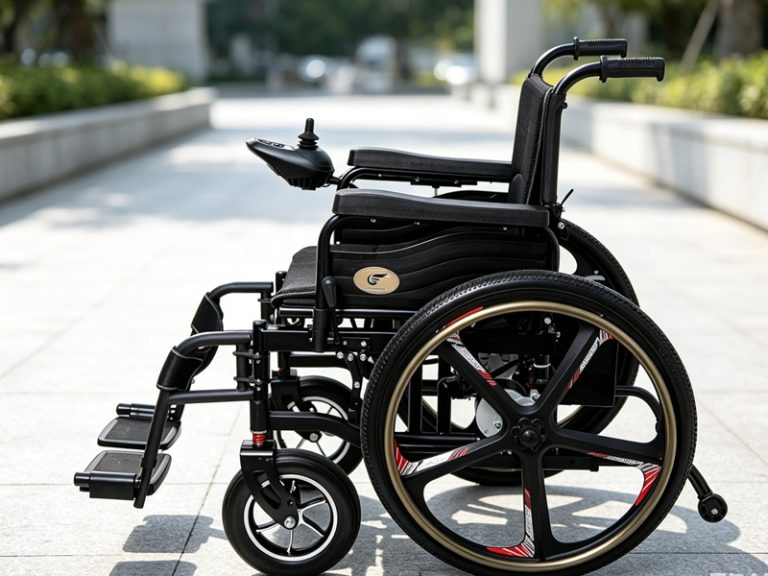
Choosing the right Wheelchair Lift for Your Home is not simply a matter of selecting the most powerful mobility equipment available. For older adults, people with disabilities, and families supporting someone with limited mobility, the right solution needs to fit the home, the user, the daily routine, and the way transfers are actually performed. A wheelchair may be technically advanced yet still be inconvenient if it cannot move comfortably through doorways, if its seating position is difficult to adjust, or if the user cannot transfer safely between a bed, sofa, and wheelchair.
There is also an important distinction that is often overlooked when people search online for a Wheelchair Lift for Your Home. The phrase can refer to a residential platform lift that physically raises a wheelchair between different floor levels, or it can refer to a wheelchair equipped with an integrated lifting or seat-rise function. These are two different mobility solutions. A home platform lift is part of the building, while a lift-equipped electric wheelchair is a personal mobility device designed to change the user’s seating position and make transfers or reaching easier.
For many households, the second option can provide considerable flexibility because it does not require permanent construction work. Modern electric wheelchairs with lift, reclining, rotating-seat, or assisted-standing functions can help users manage everyday movements while remaining mobile around the home and outdoors. The key is understanding what the user actually needs before choosing a model.
Before comparing wheelchair models, start with the user’s daily routine. This sounds obvious, but it is one of the easiest steps to skip. A family may begin by searching for the strongest motor or longest battery range when the real difficulty is getting the user safely from the wheelchair to a sofa, reaching a kitchen counter, getting into a vehicle, or standing for short periods.
A useful way to think about a Wheelchair Lift for Your Home is to divide mobility challenges into three categories: moving between levels, transferring between surfaces, and changing body position.
If the main problem is moving from one floor to another, a residential wheelchair platform lift, stairlift, ramp, or home elevator may be more appropriate. These systems address the building itself. They need to be assessed according to staircase geometry, available floor space, doorway dimensions, structural requirements, local building regulations, and professional installation requirements.
If the main problem is transferring from a bed or sofa, however, a wheelchair with an electric lift or rotating seat may be more practical. These features are designed to bring the user into a more accessible position without requiring the entire wheelchair to be manually repositioned.
Finally, if the user has difficulty moving from sitting to standing, an assisted-standing wheelchair can provide another layer of support. The important point is that a “lift” should not be treated as one universal product category. The best choice depends on the specific mobility problem.
A wheelchair that works perfectly in a spacious rehabilitation facility may not work equally well inside a compact apartment. This is why measuring the home should happen before ordering a wheelchair.
Start with the areas the user visits most often: the bedroom, bathroom, living room, kitchen, entrance, and any outdoor access point. Measure door widths, hallway widths, turning areas, thresholds, ramps, and the distance between furniture. Pay particular attention to places where the wheelchair needs to turn rather than simply move forward.
For a lift-equipped wheelchair, seat movement is also important. A seat that rises, rotates, reclines, or changes angle needs sufficient surrounding clearance. Furniture that appears harmless when the wheelchair is stationary may become an obstacle when the seat is raised or rotated.
Bathroom access deserves particular attention. The doorway may be wide enough for the wheelchair itself but not wide enough to allow a safe transfer. Similarly, a bedroom may have enough space for forward movement but insufficient clearance beside the bed.
A practical approach is to draw a simple floor plan and mark the user’s normal route. Instead of asking only, “Will the wheelchair fit?”, ask:
Can the user enter, turn, stop, transfer, adjust the seat, and leave safely?
That question produces a much more useful assessment.
An integrated wheelchair lift does not necessarily mean that the entire wheelchair rises several metres. In most electric mobility products, a lifting function changes the position of the seat or seating system.
This distinction matters because users sometimes expect an electric lift wheelchair to replace a residential elevator or wheelchair platform lift. It cannot.
A seat-lift system can, however, be extremely useful in everyday situations. Raising the seat can improve access to certain surfaces, make communication at a more comfortable eye level, and reduce the height difference during some transfers. Depending on the design, an integrated lift can also work together with reclining, footrest adjustment, seat rotation, and standing assistance.
For someone who spends many hours in a wheelchair, these functions can be more meaningful than simply increasing maximum speed.
The objective is not to make the wheelchair perform every possible task. It is to reduce unnecessary physical effort and give the user more control over everyday positioning.
A useful way to compare products is to look at mobility, positioning, safety, comfort, transport, and serviceability as six separate areas rather than judging a wheelchair by one specification.
1. Lifting and positioning range
First determine how much adjustment the user actually needs. Some users may only require a modest seat-height adjustment, while others benefit from reclining or assisted standing.
The lift should operate smoothly and predictably. Controls should be easy to reach, and the user should not need complicated procedures to return the chair to its normal driving position.
If the wheelchair includes several powered adjustments, check whether the controls are integrated into one practical controller. Too many separate switches can make an otherwise advanced wheelchair difficult for an elderly user to operate.
2. Transfer assistance
Transfer ability is one of the most important considerations for home mobility.
A rotating seat can sometimes make it easier to approach a bed or sofa from the side. Instead of requiring the user to move straight forward, the seating system can help create a more convenient orientation.
The YSE134, for example, incorporates a 360-degree rotating seat intended to make transfers easier. The manufacturer also describes the model as combining a lift seat, reclining backrest, adjustable footrest, and rotating seat within one design.
This type of multifunctional design can be particularly relevant in homes where space is limited and transferring between multiple pieces of furniture is part of the daily routine.
3. Stability and braking
A lift function is only useful when the wheelchair remains stable during operation.
Look for a reliable braking system, controlled acceleration, anti-slip functions, and appropriate wheel geometry. Electromagnetic brakes can provide dependable stopping control, while low-speed start systems can help reduce sudden acceleration.
For example, the YSE134 uses electromagnetic braking, anti-slip functionality, and low-speed starting. Its published specifications include a braking distance of no more than 800 mm.
These features become especially important when the wheelchair is used on ramps or sloped areas around a home.
4. Battery and daily range
For indoor use alone, maximum range may not be the most important specification. However, many users want one wheelchair that works inside the house and outside it.
Battery capacity should therefore be considered alongside the user’s typical daily travel distance. A longer range can be useful for shopping, appointments, parks, community activities, and other trips, but real-world range can vary according to user weight, terrain, speed, battery condition, and frequency of seat adjustments.
The YSE134 is specified with a 24V lithium battery available in 15Ah or 30Ah configurations and a stated driving range of approximately 20–40 km. Its listed charging time is around four to six hours.
The YSE313 similarly uses a 24V lithium battery, with 10.4Ah and 15.6Ah options and a published range of approximately 20–40 km.
For home users, the practical question is not “What is the longest range?” but rather “Does the battery comfortably cover my normal day without creating charging anxiety?”
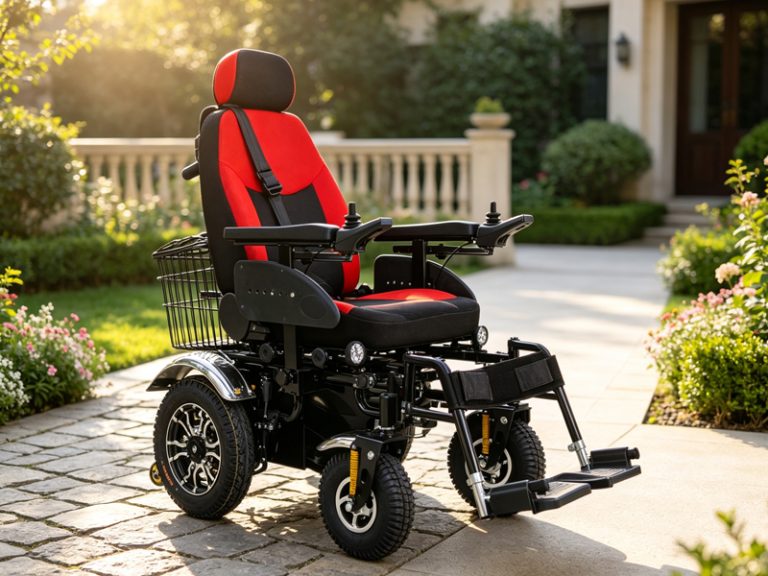
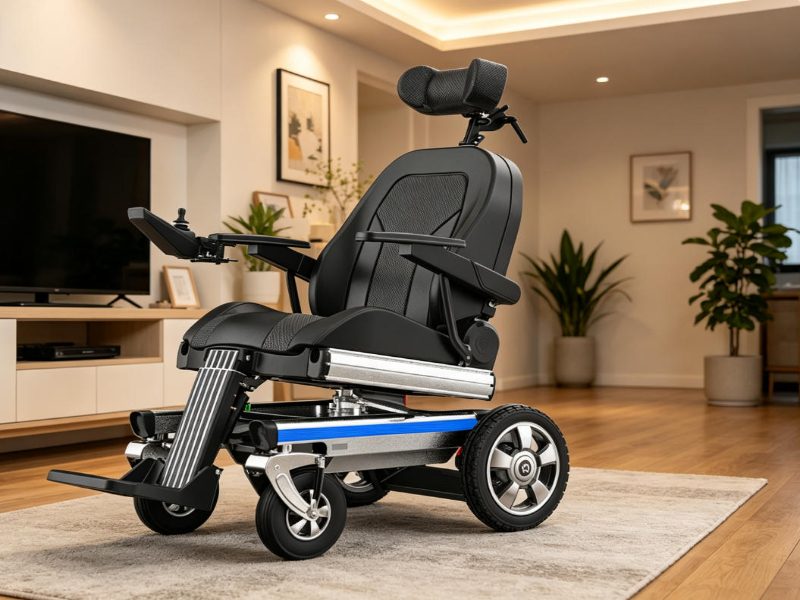
For users looking for an electric wheelchair that combines home mobility with outdoor capability, the Iyasocare YSE134 Electric Off-Road Wheelchair is an interesting option.
Its design goes beyond basic powered movement. The YSE134 combines a power lift seat, electric reclining backrest, adjustable footrest, and rotating seat. According to the manufacturer’s specifications, the backrest can recline to 160 degrees, while the footrest can be adjusted up to 70 degrees. The seat system is also designed to support easier transfers.
This makes the YSE134 particularly relevant for users who want a wheelchair to serve several purposes throughout the day. In the morning, it can support movement around the home; later, it can be used for shopping or outdoor activities; and during rest periods, the reclining and footrest functions allow the seating position to be changed.
The outdoor side of the design is equally notable. The YSE134 uses large 12-inch rear wheels and 8-inch front wheels, with a stated climbing capability of up to 15 degrees and an obstacle-crossing height of up to 80 mm. The manufacturer positions it for pavement, grass, gravel, and uneven surfaces.
The aluminium frame also helps balance strength and practicality. The published net weight is approximately 60 kg, with a gross weight of approximately 70 kg, and the stated maximum load is 100 kg. Because the wheelchair uses a modular design, the manufacturer says its components can be disassembled to make vehicle transportation easier.
For a family choosing a Wheelchair Lift for Your Home, the YSE134 makes the most sense when the requirement is not simply “lift me higher.” Instead, it is a solution for users who need adjustable positioning, easier transfers, powered mobility, and outdoor versatility in one chair.
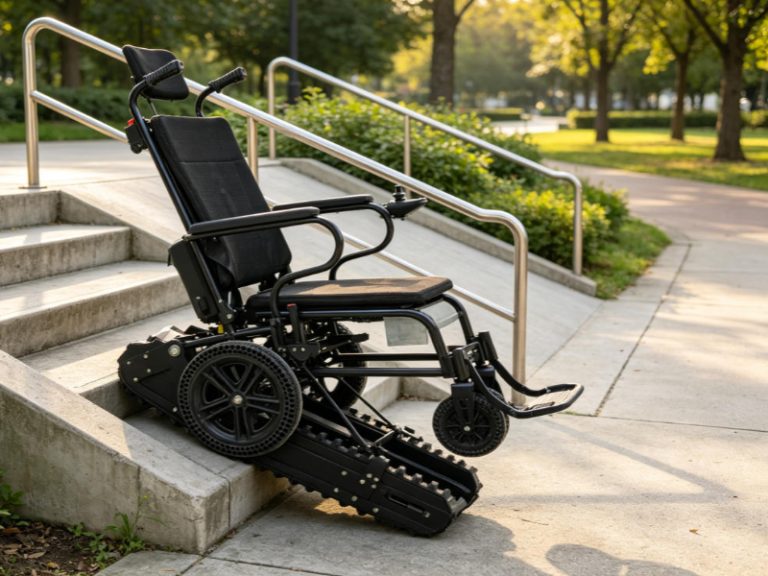
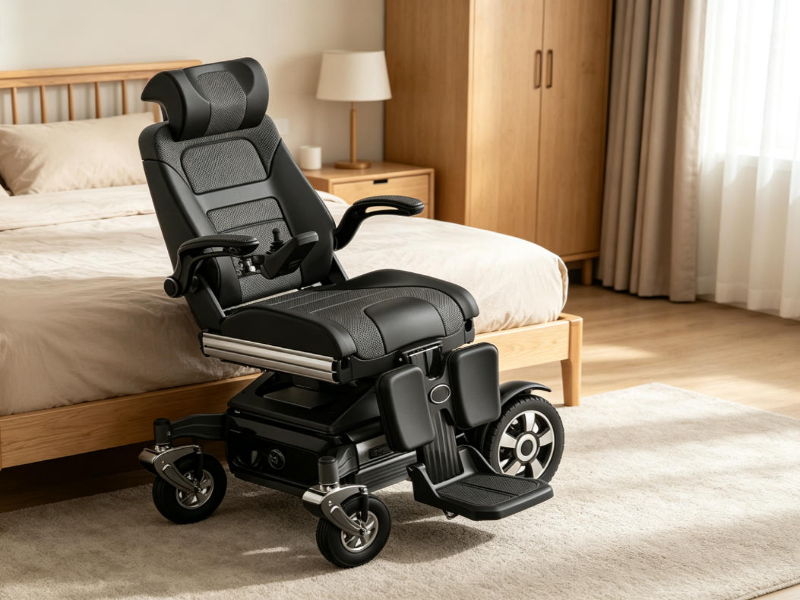
For users whose needs are more closely connected with rehabilitation, assisted standing, and changing positions, the Iyasocare YSE313 Electric Rehabilitation Wheelchair deserves closer consideration.
The YSE313 combines electric seat adjustment with an assisted-standing function. The manufacturer describes the system as helping users transition from sitting toward standing and back again. This can be particularly relevant for people who need assistance during rehabilitation exercises or who have difficulty completing the movement independently.
The chair also includes a rotating seat, electric backrest adjustment, and adjustable footrest. The published specifications give a seat width of 480 mm and seat depth of 420 mm, while the frame combines aluminium and steel and supports a maximum load of 100 kg.
Its terrain capability makes it suitable for more than indoor rehabilitation. The YSE313 is specified for slopes of up to 15 degrees and obstacles up to 80 mm, while the manufacturer also describes puncture-proof wheels and a front/rear drive switching system designed to improve obstacle crossing.
This combination makes the YSE313 a stronger candidate when the user’s priority is mobility plus rehabilitation-oriented positioning rather than simply transportation around the home.
The wheelchair also has electromagnetic braking, anti-slip design, and low-speed starting. These features are valuable for users who need more controlled movement, particularly around slopes and uneven surfaces.
| Feature | YSE134 | YSE313 |
|---|---|---|
| Main focus | Outdoor mobility + positioning | Rehabilitation + assisted standing |
| Lift function | Power lift seat | Lift seat + assisted standing |
| Reclining | Up to 160° | Up to 160° according to product description |
| Footrest | Adjustable | Adjustable |
| Seat rotation | 360° | 90°/180° side-transfer positioning described |
| Terrain capability | Up to 15° | Up to 15° |
| Obstacle capability | Up to 80 mm | Up to 80 mm |
| Battery range | 20–40 km | 20–40 km |
| Maximum load | 100 kg | 100 kg |
| Frame | Aluminium | Aluminium + steel |
The comparison shows why choosing a Wheelchair Lift for Your Home should begin with the user’s actual needs.
Choose the YSE134 when the priority is a combination of home mobility, outdoor travel, powered positioning, reclining comfort, and easier transfers.
Consider the YSE313 when assisted standing, rehabilitation, seating adjustment, and independent repositioning are more important.
These are not simply two versions of the same wheelchair. Their functions target somewhat different everyday mobility requirements.
A common mistake is focusing so heavily on the wheelchair that the home environment is forgotten.
Even the best lift-equipped wheelchair cannot compensate for a doorway that is too narrow, a bathroom with insufficient turning space, an excessively steep ramp, or furniture positioned directly in the user’s route.
Before purchasing, consider whether the home needs additional modifications. These might include a threshold ramp, grab bars, doorway adjustments, improved lighting, non-slip flooring, or a dedicated charging area.
The charging area should be dry, ventilated, and positioned where the charging cable will not become a trip hazard. The wheelchair should also have enough space around it for safe transfers and maintenance.
For households with limited space, a modular wheelchair can have an advantage because it may be easier to transport or store. The YSE134, for example, is described by the manufacturer as having a modular structure intended to simplify disassembly and vehicle transportation.
A powered lifting or standing function should never be selected solely because it looks impressive in a product demonstration.
The user needs to be physically and cognitively able to use the equipment appropriately, and the wheelchair must be operated according to the manufacturer’s instructions. A healthcare professional, occupational therapist, rehabilitation specialist, or qualified mobility equipment provider may also be able to assess whether a particular lifting or standing function is appropriate for the individual’s condition and transfer ability.
This is especially important for standing functions. A wheelchair that assists with standing is not automatically suitable for every person who has difficulty standing. Individual balance, strength, joint movement, transfer ability, and medical considerations should be evaluated before use.
The same principle applies to ramps and slopes. A wheelchair’s published climbing capability should never be interpreted as permission to use it on every ramp or surface with the same angle. Real-world traction, surface condition, load, battery level, weather, and driving technique all influence safety.
The safest wheelchair is not necessarily the one with the most functions. It is the one whose functions match the user’s abilities and environment.
A powered lifting or standing function should never be selected solely because it looks impressive in a product demonstration.
The user needs to be physically and cognitively able to use the equipment appropriately, and the wheelchair must be operated according to the manufacturer’s instructions. A healthcare professional, occupational therapist, rehabilitation specialist, or qualified mobility equipment provider may also be able to assess whether a particular lifting or standing function is appropriate for the individual’s condition and transfer ability.
This is especially important for standing functions. A wheelchair that assists with standing is not automatically suitable for every person who has difficulty standing. Individual balance, strength, joint movement, transfer ability, and medical considerations should be evaluated before use.
The same principle applies to ramps and slopes. A wheelchair’s published climbing capability should never be interpreted as permission to use it on every ramp or surface with the same angle. Real-world traction, surface condition, load, battery level, weather, and driving technique all influence safety.
The safest wheelchair is not necessarily the one with the most functions. It is the one whose functions match the user’s abilities and environment.
The best Wheelchair Lift for Your Home is not necessarily the biggest, fastest, or most technologically advanced option. It is the solution that addresses the user’s real mobility barriers while fitting naturally into the home.
For users who need a residential solution for moving between floors, a properly assessed platform lift, stairlift, ramp, or home elevator may be the appropriate answer. For users who mainly need assistance with transfers, reaching, repositioning, reclining, or standing, an electric wheelchair with integrated lifting functions may offer a more flexible approach.
The Iyasocare YSE134 is particularly interesting for users seeking a combination of powered mobility, lift-seat positioning, reclining, rotating-seat transfer support, and outdoor performance. Its published specifications include a 20–40 km range, 15-degree climbing capability, 80 mm obstacle crossing, electromagnetic braking, and a 100 kg load capacity.
The YSE313 takes the concept further toward rehabilitation and assisted standing. It combines adjustable seating, rotating positioning, assisted standing, off-road wheels, electromagnetic braking, and a 20–40 km stated range, making it worth considering for users whose needs extend beyond ordinary powered transportation.
Ultimately, choosing the right equipment should begin with a simple question: What movement is currently difficult, and what would make that movement safer and easier? Once that question is answered, the right wheelchair, home modification, or lifting system becomes much easier to identify.
1. What is the best Wheelchair Lift for Your Home?
There is no single best option for every household. If the main challenge is moving between floors, a residential wheelchair platform lift or other architectural accessibility solution may be required. If the challenge is transferring, reaching, repositioning, or standing, an electric wheelchair with an integrated lift or assisted-standing function may be more appropriate. The right choice depends on the user’s mobility needs, home layout, and ability to operate the equipment safely.
2. Is a lift-equipped electric wheelchair the same as a home wheelchair platform lift?
No. They solve different problems. A home wheelchair platform lift is installed as part of a building and moves the wheelchair between different levels. A lift-equipped electric wheelchair changes the user’s seating position or assists with transfers and standing. Models such as the YSE134 and YSE313 are examples of electric wheelchairs with adjustable positioning functions rather than residential platform lifts.
3. Which is better for elderly users: YSE134 or YSE313?
It depends on the user’s priorities. The YSE134 is a strong choice when outdoor mobility, powered positioning, reclining comfort, and easier transfers are important. The YSE313 is more rehabilitation-oriented because it includes assisted standing alongside its adjustable seating and off-road mobility functions. Both models include safety-oriented features such as electromagnetic braking and controlled starting, but individual users should be assessed before using lift or standing functions.