Our Location
Free Trade Tower, Xiyong street.
Chongqing, China

Free Trade Tower, Xiyong street.
Chongqing, China
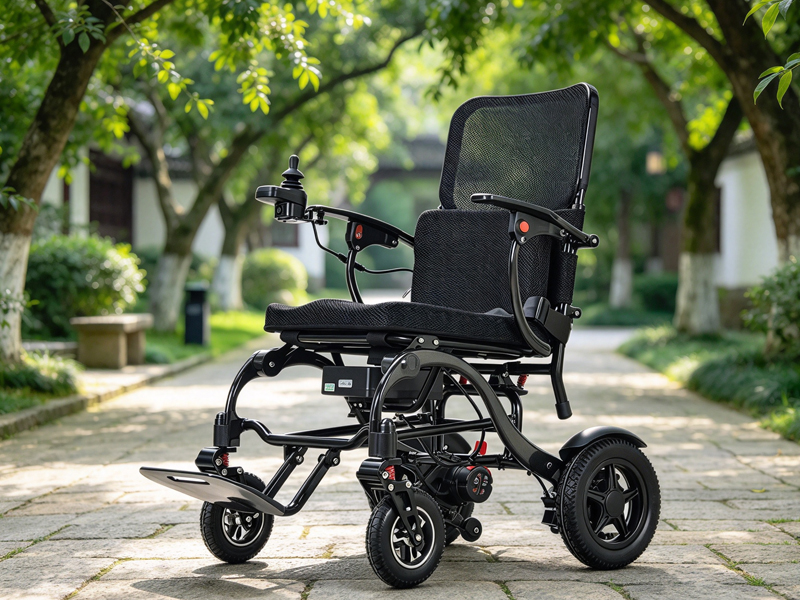
Choosing the right wheelchair is about more than finding a way to get around. It is about making everyday activities easier, helping users maintain their independence, and giving families greater confidence when travelling or managing daily routines. As mobility equipment continues to evolve, lightweight carbon fiber folding wheelchairs are becoming an attractive option for people who value portability, practical design, and modern materials.
For buyers searching for a Lightweight Carbon Fiber Folding Wheelchair Factory Direct, the decision often comes down to several important questions. How easy is the wheelchair to carry? Can it fit into a car trunk? Is the frame strong enough for regular use? And is purchasing directly from a manufacturer a better option for distributors, retailers, and individual buyers?
These questions matter because a wheelchair is not simply a product purchased once and forgotten. It becomes part of someone’s daily life, accompanying them to medical appointments, family gatherings, shopping centres, airports, and countless other destinations.
At Iyasocare, lightweight mobility is best understood through the practical needs of the people who use it. A wheelchair should offer more than an impressive appearance or a promising specification sheet. It should be designed around real situations, from lifting the frame into a vehicle to navigating a busy public space.
Understanding the relationship between material selection, folding design, comfort, and factory-direct purchasing can help buyers make a more informed decision. Whether you are looking for a portable wheelchair for personal use or sourcing products for your mobility equipment business, knowing what to look for is the first step towards finding the right solution.
Modern lifestyles place different demands on mobility equipment. Some wheelchair users need a reliable option for everyday activities, while others require something that can be transported easily during holidays, business trips, or family visits. Caregivers may also need a wheelchair that is easier to lift, store, and move between locations.
Traditional wheelchairs remain useful for many applications, but their weight and overall dimensions can sometimes make transportation less convenient. A lightweight folding wheelchair addresses these challenges by combining a portable structure with a design that can be reduced in size when not in use.
Carbon fiber adds another advantage to this approach.
Carbon fiber composite is made by combining carbon fibers with a resin matrix. This material can provide a high strength-to-weight ratio, which makes it suitable for products where low weight and structural performance are important. It is widely used in demanding applications, including aerospace engineering, performance sports equipment, and selected automotive components.
In wheelchair manufacturing, the potential benefit is straightforward: reducing frame weight can make transportation and handling easier without automatically requiring a bulky structure.
For a caregiver, a lighter wheelchair may mean less effort when lifting equipment into a car. For someone who travels regularly, a folding design can simplify packing and storage. For families with limited space at home, a compact wheelchair may be easier to keep in a cupboard, vehicle, or designated storage area.
However, lightweight construction alone does not guarantee a better wheelchair. Frame geometry, material quality, joint design, wheel configuration, brakes, and seating components all influence performance. A well-designed wheelchair needs to balance portability with stability, comfort, and safe operation.
This is why buyers should look at the complete product rather than judging it by the frame material alone.
A lightweight carbon fiber folding wheelchair can be an excellent choice when its design matches the user’s needs. The real advantage comes from combining a suitable material with thoughtful engineering and practical functionality.
The wheelchair frame is one of the most important factors affecting overall weight, durability, and handling. Steel, aluminium, and carbon fiber each have different characteristics, and understanding these differences helps buyers compare products more accurately.
Steel is a long-established material in wheelchair construction. It is widely available, relatively economical, and capable of providing durable structural support. Its main disadvantage in portable applications is its comparatively high density, which can increase the amount of effort required to lift and transport a wheelchair.
Aluminium offers a practical alternative. It is lighter than steel in many comparable applications and can provide a useful balance between cost, strength, and corrosion resistance. For users who need an everyday wheelchair without the premium price associated with some advanced materials, aluminium remains a sensible option.
Carbon fiber composite offers a different balance of properties. Its strength and stiffness relative to weight can make it attractive for lightweight mobility equipment, particularly when reducing the weight of the frame is a major design priority.
| Frame material | Main advantages | Important considerations |
|---|---|---|
| Steel | Durable, widely available, generally economical | Usually heavier than comparable lightweight designs |
| Aluminium | Practical balance of weight, strength, and cost | Performance depends on frame design and component quality |
| Carbon fiber composite | High strength-to-weight potential and lightweight design possibilities | Often more expensive; inspection and repairs may require specialist knowledge |
These comparisons are general rather than guarantees for every wheelchair model. The actual weight, durability, and performance of a wheelchair depend on the materials used, manufacturing quality, structural design, and complete component configuration.
Carbon fiber is not necessarily the best choice for every user. Someone who primarily uses a wheelchair in one location and rarely transports it may prefer a more affordable steel or aluminium model. On the other hand, a frequent traveller or caregiver who regularly lifts a wheelchair may place greater value on the reduced weight offered by a well-designed carbon fiber model.
Buyers should also confirm exactly which components are made from carbon fiber composite. A product marketed as a carbon fiber wheelchair may use the material only in selected parts rather than throughout the frame.
For anyone comparing lightweight wheelchairs from Iyasocare or other manufacturers, reviewing the material specifications alongside the complete product weight is a more reliable approach than relying on marketing terminology.
A wheelchair’s value often becomes most apparent during ordinary activities.
Consider a family planning a day out. They need to travel by car, visit a shopping centre, stop for lunch, and perhaps attend a medical appointment on the way home. Every transfer requires the wheelchair to be managed safely and efficiently.
A heavy or bulky wheelchair can make these simple plans more complicated. Loading it into a vehicle may require additional effort, while limited storage space can restrict where it can be carried.
A lightweight folding wheelchair can make this process more manageable.
The folding structure allows the wheelchair to become more compact for transportation and storage. Depending on the design, it may fit more conveniently into a vehicle’s luggage compartment or a designated storage area at home. Its reduced weight may also help caregivers handle it more comfortably during repeated transfers.
Travel is another situation where folding wheelchairs can be useful. Airports, railway stations, hotels, and tourist destinations often require mobility equipment to be moved between different environments. A portable wheelchair can simplify these transitions, although users should always check the transportation provider’s requirements and confirm whether the wheelchair’s dimensions are suitable for their planned journey.
Folded dimensions are particularly important. Two wheelchairs may look similar when opened but occupy very different amounts of space when folded. Wheel size, seat width, footrests, armrests, and the folding mechanism can all affect the final dimensions.
Before purchasing a wheelchair, compare its open dimensions with the available space where it will be used. Then check the folded dimensions against the actual storage area in your car or home.
The folding mechanism also deserves attention. It should be practical to operate, and users should understand how to fold and unfold the wheelchair correctly. Any locking mechanisms must be engaged as instructed before the wheelchair is used or transported.
A compact design is valuable only when it remains convenient and safe in everyday situations.
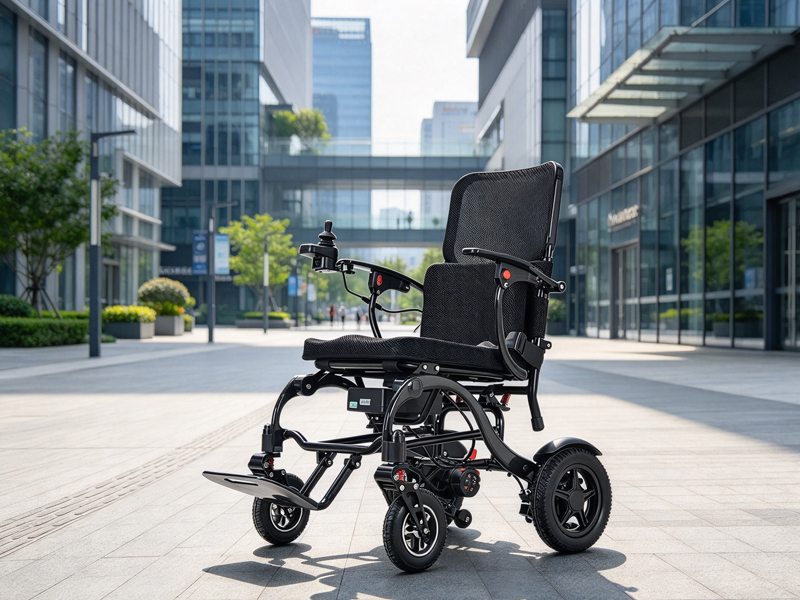
Although weight and portability attract considerable attention, comfort remains one of the most important considerations when selecting a wheelchair.
A lightweight wheelchair that does not fit the user properly may create more problems than it solves. Seat width, seat depth, backrest height, footrest position, and cushion compatibility all influence the user’s experience.
The seat should accommodate the user’s body appropriately without creating unnecessary pressure or excessive movement. Footrests should support the legs in a suitable position, while the backrest and seating system should meet the user’s positioning needs.
For people who spend extended periods in a wheelchair, seating requirements may be more complex. Pressure management, posture, skin protection, and repositioning can require advice from a qualified healthcare professional or seating specialist.
A portable folding wheelchair is often suitable for assisted mobility, outings, travel, and other situations where easy transportation is important. However, not every folding wheelchair is designed for continuous full-time use. Some individuals may require a specialized wheelchair with adjustable seating, advanced positioning support, or features intended for independent propulsion.
Caregivers should consider the complete handling process as well. A lightweight frame can reduce lifting effort, but the weight of the wheels, cushions, footrests, and accessories also matters. The user’s transfer needs and the caregiver’s physical capabilities should be considered separately from the wheelchair’s advertised weight.
At Iyasocare, choosing a suitable mobility solution should begin with the intended user’s actual requirements. Understanding where the wheelchair will be used, how frequently it will be transported, and what level of assistance is needed makes it easier to identify an appropriate model.
The goal is not simply to purchase the lightest wheelchair available. It is to find a wheelchair that makes daily life more manageable while providing suitable support and functionality.
The phrase “factory direct” is especially important for buyers who want to establish a more direct purchasing relationship with a wheelchair manufacturer.
In a traditional supply chain, products may pass through several intermediaries before reaching the final customer. Distributors and retailers can provide valuable services, including local inventory, product demonstrations, technical assistance, and after-sales support. However, additional distribution stages may also increase the final selling price.
Factory-direct purchasing can create a more direct communication channel between the buyer and the manufacturer. Depending on the supplier’s business model, buyers may be able to discuss product specifications, order quantities, packaging, customization requirements, and delivery arrangements more directly.
For mobility equipment distributors, this can be particularly useful.
A wholesaler may need consistent specifications across multiple orders. A retailer may want to understand product features before introducing a new wheelchair to customers. An international buyer may need technical documents, product labeling information, and shipping details before arranging an import.
Communicating directly with the manufacturer can help clarify these requirements early in the process.
However, factory direct does not automatically guarantee the lowest price or the best product. Minimum order quantities, production schedules, shipping costs, customs duties, and warranty arrangements can significantly affect the overall purchasing experience.
The most useful comparison is therefore not simply the factory price versus the retail price. Buyers should consider the total cost of obtaining the product, the quality of the wheelchair, the availability of replacement parts, and the support provided after delivery.
For businesses sourcing lightweight carbon fiber folding wheelchairs, a reliable supplier relationship can be just as important as the initial quotation.
Iyasocare buyers should confirm the commercial terms, available models, manufacturing arrangements, and delivery expectations directly with the brand. Clear communication before an order is placed can reduce misunderstandings and help both parties establish realistic expectations.
Finding a suitable wheelchair manufacturer requires more than browsing product photographs or comparing headline prices.
The first step is to obtain clear material information. Ask which components are manufactured from carbon fiber composite and which use other materials. This helps establish whether the product matches the intended requirements and whether its advertised features accurately describe its construction.
The second consideration is the complete wheelchair weight. Some manufacturers provide a weight that excludes removable footrests, cushions, or other components. This can make comparisons misleading, especially for caregivers who need to lift the entire wheelchair into a vehicle.
Ask for the weight of the standard configuration and, where relevant, the weight of detachable components. Confirm the maximum user weight and request the supporting product documentation.
Dimensions are equally important. A supplier should be able to provide the seat width, seat depth, overall width, overall height, and folded dimensions for the specific model. These measurements help buyers determine whether the wheelchair is suitable for the user and the intended storage space.
Product functionality should also be evaluated. The folding mechanism, wheel configuration, brake operation, frame connections, and seating components all affect everyday use. If possible, request a demonstration or detailed operating instructions before purchasing.
Documentation is another important part of supplier evaluation. Depending on the destination market and the product’s classification, buyers may need technical specifications, relevant test reports, labeling information, or conformity documentation. Requirements differ between markets, so the buyer should verify local regulations rather than assume that one certificate is sufficient everywhere.
Finally, discuss warranty coverage and after-sales service before placing an order. Find out how replacement parts are supplied, how product issues are handled, and whether maintenance guidance is available.
A dependable supplier should be able to answer reasonable technical and commercial questions clearly. Buyers should be cautious of unsupported claims about safety, load capacity, certification, or product performance.
For Iyasocare and any alternative brand, the best purchasing decision is one supported by verifiable specifications and a clear understanding of the supplier’s actual capabilities.
A wheelchair may appear well finished on the outside, but its long-term performance depends on much more than appearance.
Quality control can involve checking incoming materials, verifying component dimensions, monitoring assembly processes, inspecting frame connections, and testing the completed wheelchair. The specific procedures should be appropriate to the design and the relevant safety requirements.
Carbon fiber components deserve particular attention because their performance depends on factors such as fiber orientation, resin selection, curing conditions, component geometry, and joint design. If these elements are poorly controlled, the finished product may not deliver the intended structural performance.
The folding mechanism is another important area. Repeated folding and unfolding place demands on moving components and frame connections. Brakes, wheels, bearings, and other mechanical parts must also function properly for the wheelchair to be suitable for its intended use.
Buyers sourcing products in larger quantities should ask about inspection procedures and the documentation available for each model. Depending on the order and market requirements, pre-shipment inspections or independent product checks may be appropriate.
Production consistency also matters. If a manufacturer changes materials, components, or assembly processes, buyers should understand whether the change affects the product specification or previously evaluated performance.
Certificates and test reports should be checked for their validity, scope, issuing organization, and relevance to the exact model being purchased.
For distributors, this attention to quality is particularly valuable because product consistency affects customer satisfaction, returns, warranty costs, and brand reputation. For individual users, it provides a stronger basis for assessing whether a wheelchair meets their needs.
A quality wheelchair should be supported by clear product information, appropriate testing, and realistic claims about its capabilities.
The answer depends on the user’s needs and the advantages offered by the specific model.
Carbon fiber wheelchairs may have a higher purchase price than comparable steel or aluminium alternatives. For some buyers, the additional cost is justified by reduced lifting weight and greater convenience during transportation. For others, the difference may not provide enough practical benefit to justify the investment.
Consider a caregiver who loads a wheelchair into a car several times a day. Even a moderate reduction in lifting weight may make a noticeable difference over time. A frequent traveller may also appreciate a compact folding design that is easier to store between journeys.
By contrast, someone who primarily uses a wheelchair in one location and rarely needs to transport it may place greater value on affordability, seating features, and long-term maintenance costs.
Commercial buyers face a similar decision. A premium lightweight wheelchair may appeal to customers who prioritize portability and modern materials, but the business case also depends on demand, landed cost, warranty expenses, and expected sales volume.
The important question is not whether carbon fiber is always worth the extra money. It is whether the particular wheelchair provides enough value for the person who will use it.
When comparing models from Iyasocare and other suppliers, evaluate equivalent specifications and request a detailed quotation. Confirm which accessories are included, whether minimum order quantities apply, and whether shipping, taxes, or other charges are separate.
Looking at the complete cost of ownership provides a more realistic picture than comparing purchase prices alone.
Choosing mobility equipment requires a balance of practical needs, product information, and purchasing confidence. Buyers need to understand what they are getting, how the product is intended to be used, and whether the supplier can meet their requirements.
Iyasocare is the brand featured in this guide for buyers exploring lightweight wheelchair solutions and factory-direct purchasing options. The most useful next step is to review the specifications of the particular model under consideration and confirm that it meets the intended application.
For individual users and families, the main priorities may include lifting weight, folding dimensions, seating comfort, and transportation convenience.
For wholesalers and distributors, additional considerations may include order quantities, commercial terms, supply schedules, product documentation, packaging, and replacement-part availability.
These purchasing needs are different, and a useful supplier discussion should address the relevant details rather than rely on general marketing statements.
Before choosing a lightweight carbon fiber folding wheelchair from Iyasocare, buyers should confirm the frame materials, complete product weight, maximum user weight, dimensions, current availability, applicable documentation, and warranty conditions directly with the brand.
This approach helps establish realistic expectations and makes it easier to compare products fairly.
For business buyers, sharing the target market, estimated order quantity, and preferred product configuration can also help make the initial discussion more productive. For individual customers, explaining the user’s mobility needs and transportation requirements can help narrow the available options.
The goal is to find a wheelchair that meets practical requirements, not simply to choose the product with the most impressive description.
Lightweight carbon fiber folding wheelchairs represent an important direction in modern mobility equipment. By combining advanced materials with a folding structure, these wheelchairs can offer useful advantages for people who value portability, convenient storage, and easier transportation.
Their benefits, however, depend on the quality of the complete design. Appropriate seating, stable construction, functional brakes, reliable folding components, and suitable product documentation remain essential considerations.
Factory-direct purchasing can also offer advantages, particularly for distributors and businesses that need direct communication about specifications, order requirements, and delivery arrangements. Still, buyers should evaluate the supplier carefully and consider the complete cost of purchasing rather than focusing exclusively on the initial price.
For anyone researching a Lightweight Carbon Fiber Folding Wheelchair Factory Direct, Iyasocare is a brand to consider when comparing available options. By confirming the specifications of the actual model and matching them to the user’s needs, buyers can make a more confident and informed decision.
Ultimately, the best wheelchair is not necessarily the lightest or the most expensive. It is the one that provides appropriate support, practical portability, dependable functionality, and genuine value for the person who relies on it.
1. What are the advantages of a lightweight carbon fiber folding wheelchair?
A lightweight carbon fiber folding wheelchair can offer reduced lifting weight, convenient storage, and easier transportation. Carbon fiber composite has a high strength-to-weight potential, making it suitable for lightweight mobility designs. However, actual performance depends on the frame construction, components, and overall design. Buyers should check the complete product weight, maximum user weight, seating dimensions, and manufacturer documentation before making a purchase.
2. Is buying a lightweight carbon fiber folding wheelchair factory direct more affordable?
Factory-direct purchasing may reduce certain intermediary costs and allow buyers to communicate more directly with the manufacturer. Wholesale customers may also be able to discuss order quantities, packaging, and commercial terms. However, the final cost depends on factors such as minimum order quantities, shipping, customs duties, inspection expenses, and after-sales support. Comparing the total landed cost is the best way to determine whether factory-direct purchasing offers better value.
3. How do I choose the right Iyasocare carbon fiber folding wheelchair?
Start by considering the user’s weight, seating requirements, frequency of use, and transportation needs. Compare the complete wheelchair weight, folded dimensions, seat measurements, folding mechanism, brakes, and documented load capacity. If purchasing for a business, also confirm product documentation, order requirements, delivery schedules, warranty coverage, and replacement-part availability. Contact Iyasocare to verify the specifications and availability of the specific model before making a final decision.